
Welcome, food lovers! If you’re here searching for an authentic Palestinian Musakhan recipe, you’re in exactly the right place. Today, we’re diving into one of the most beloved comfort foods from Palestine a dish that’s deeply rooted in culture, family gatherings, and bold Middle Eastern flavors.

What Is Palestinian Musakhan Recipe?
Musakhan is often described as the national dish of Palestine, and for good reason. It’s a beautifully simple yet deeply flavorful meal made with sumac-seasoned chicken, slow-caramelized onions, generous amounts of extra virgin olive oil, and flatbread as the base.
The word Musakhan roughly means “heated” or “warmed”, referring to how the dish is traditionally assembled and served warm. It’s commonly prepared during olive harvest season, when fresh olive oil is abundant, making the dish both symbolic and seasonal.
Why This Palestinian Musakhan Recipe Is Special
This isn’t a rushed or shortcut version. This recipe focuses on:
- Authentic flavor balance
- Proper use of sumac (the heart of Musakhan)
- Traditional onion-heavy preparation
- Clear, beginner-friendly steps
Whether you’re cooking Middle Eastern food for the first time or reconnecting with traditional flavors, this Palestinian Musakhan recipe delivers depth, warmth, and authenticity.
Key Ingredients for Authentic Palestinian Musakhan recipe
| Ingredient | Quantity |
|---|---|
| Whole chicken (cut into pieces) | 1 (or 4–6 bone-in thighs) |
| Extra virgin olive oil | ½ cup (divided) |
| Ground sumac | 4 tablespoons |
| Red onions (thinly sliced) | 5 large |
| Lemon juice | 1 tablespoon |
| Salt | 2 teaspoons (or to taste) |
| Black pepper | 1 teaspoon |
| Allspice (optional) | ½ teaspoon |
| Cinnamon (optional) | ¼ teaspoon |
| Flatbread (taboon, Arabic bread, or large pita) | 3–4 pieces |
| Pine nuts or slivered almonds (toasted) | ¼ cup |
Main Ingredients
- Bone-in chicken pieces (thighs or quarters)
- Red onions (lots of them!)
- Extra virgin olive oil (high quality)
- Sumac spice
- Flatbread (taboon, Arabic bread, or large pita)
- Lemon juice
- Salt & black pepper
Optional but Traditional Add-Ons
- Allspice
- Cinnamon
- Toasted pine nuts or almonds
👉 Why red onions?
They become sweet and jammy when cooked slowly, balancing the tangy sumac perfectly.
The Role of Sumac in Musakhan
Sumac is what defines this dish. It brings:
- A citrusy, slightly tart flavor
- Deep red color
- Brightness that cuts through the richness of olive oil
Without sumac, it’s not Musakhan it’s just roasted chicken and onions.
Step-by-Step: How to Make Palestinian Musakhan Recipe
Step 1: Prepare the Chicken
Preheat your oven to 180°C / 350°F.
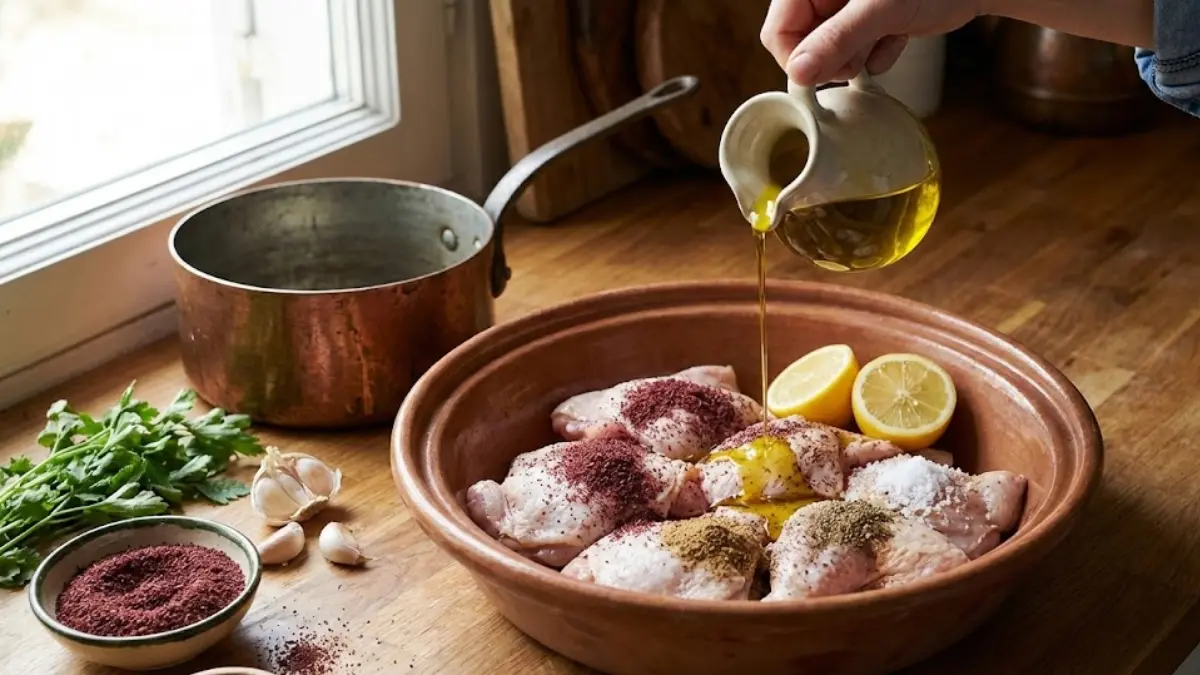
In a large bowl, coat the chicken with olive oil, lemon juice, sumac, salt, pepper, and a pinch of allspice. Massage well so the spices penetrate the meat.
Step 2: Roast the Chicken
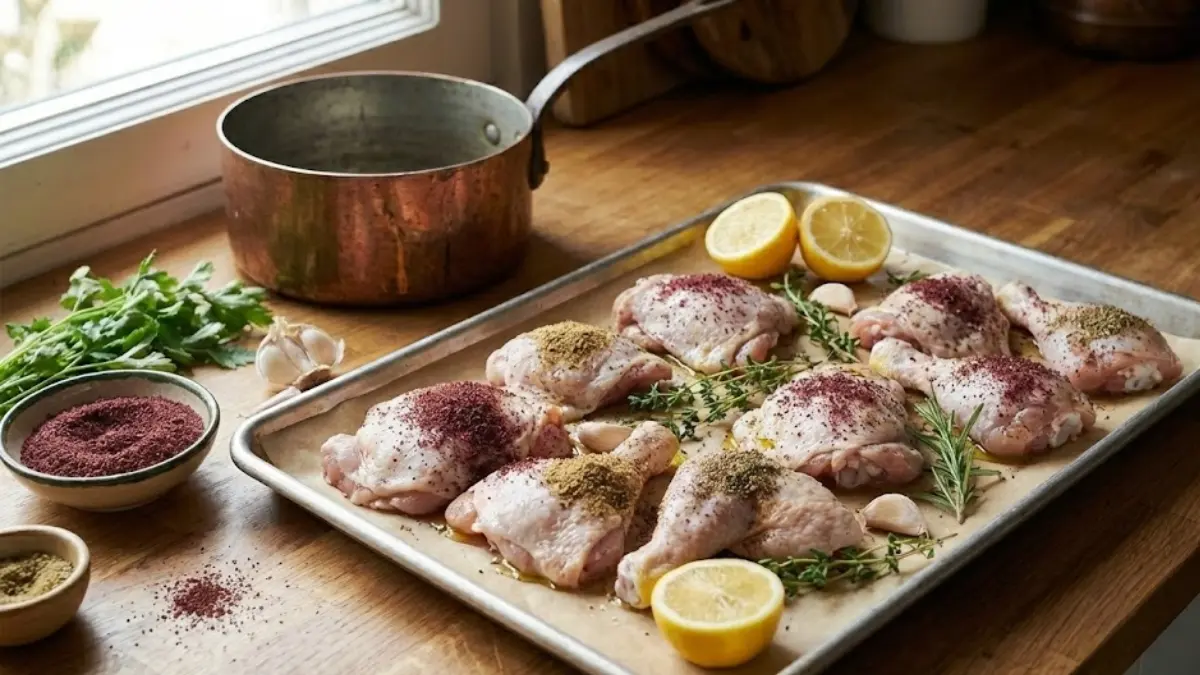
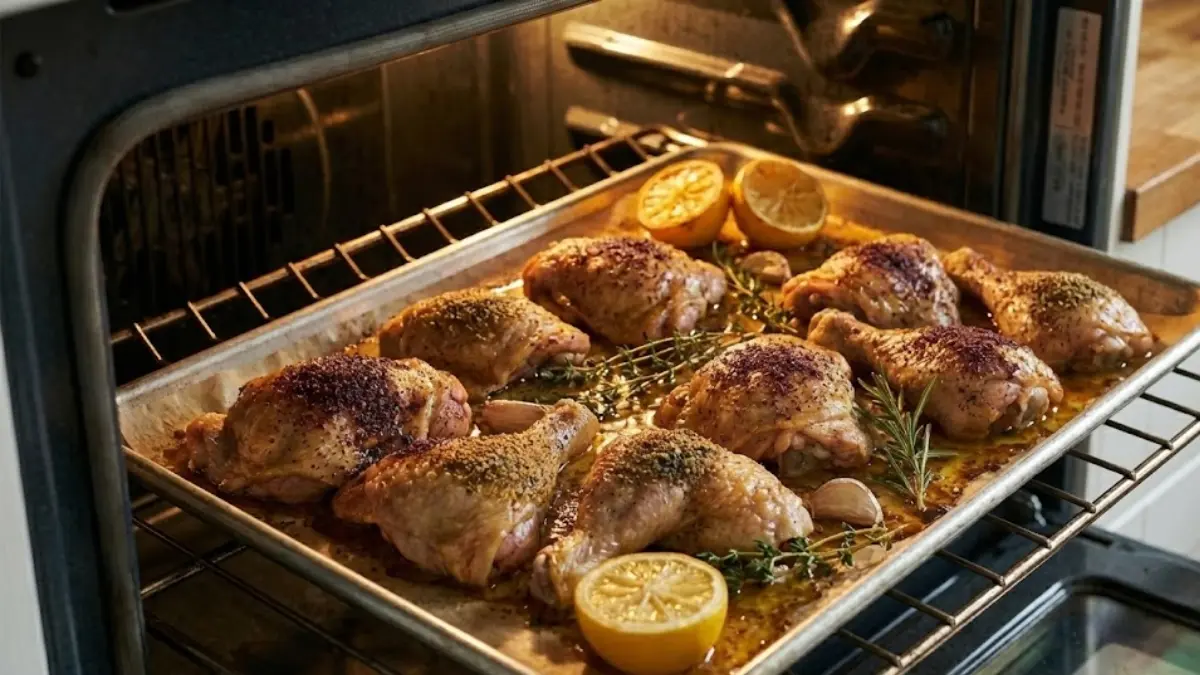
Arrange the chicken on a baking tray and roast for 50–60 minutes, flipping once, until golden and fully cooked. Keep the pan juices they’re full of flavor.
Step 3: Caramelize the Onions
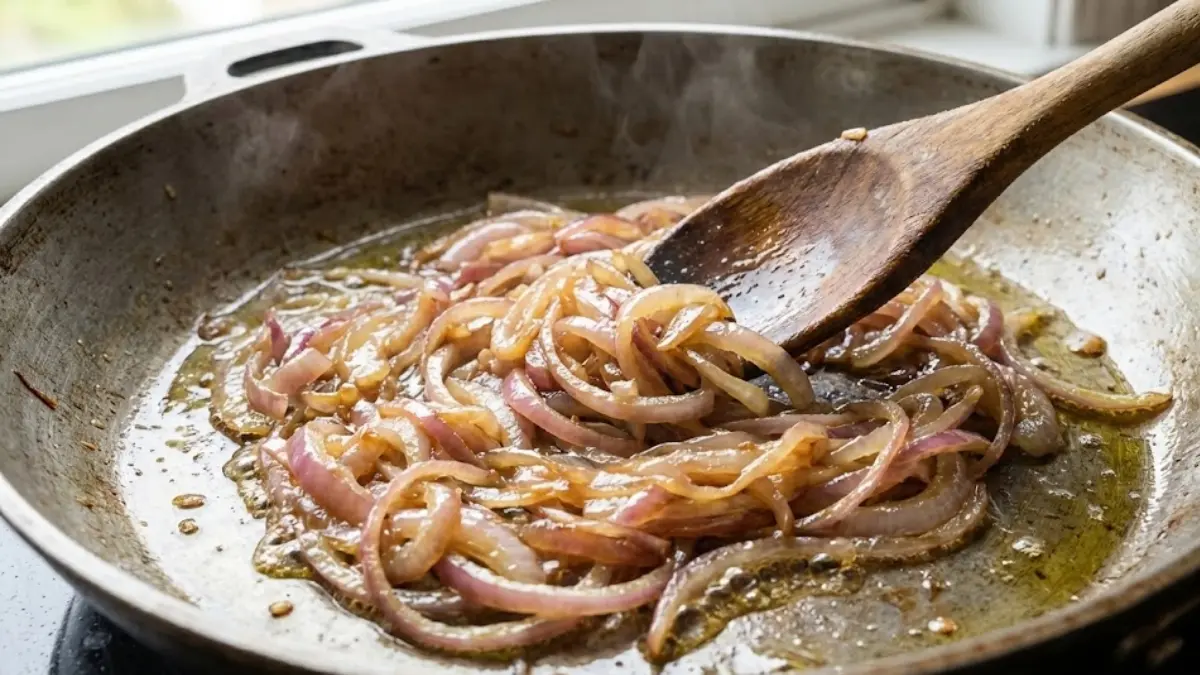
Heat a generous amount of olive oil in a wide pan. Add sliced red onions and cook over medium heat for 15–20 minutes, stirring often.
Season with salt, black pepper, and extra sumac. The onions should be soft, glossy, and lightly sweet.
Step 4: Toast the Nuts
In a small pan, lightly toast pine nuts or almonds until golden. Set aside.
Step 5: Assemble the Musakhan
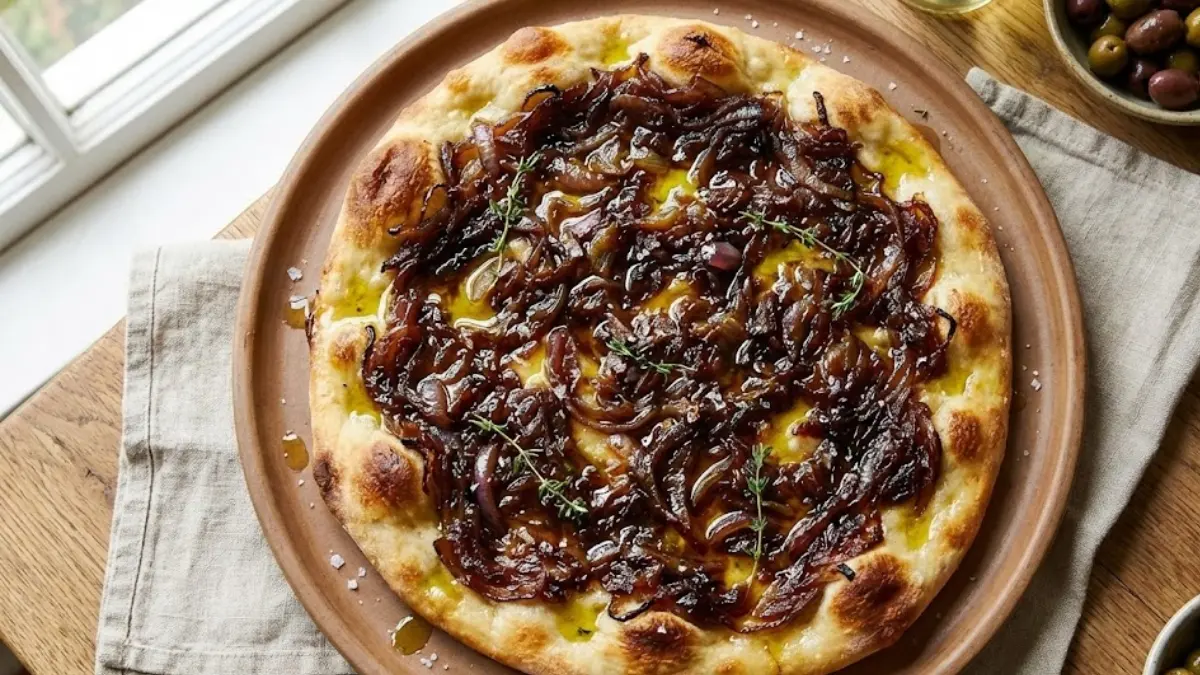
Lay the flatbread on a serving platter. Spoon a thick layer of caramelized onions over the bread, letting some oil soak in.
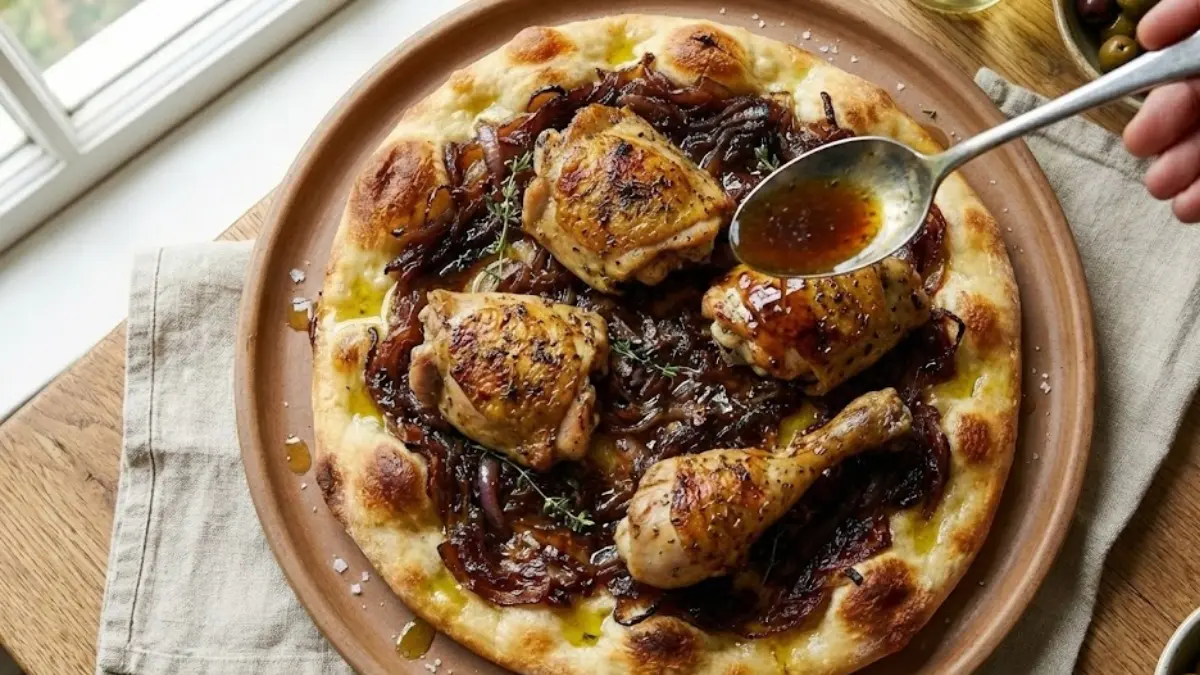
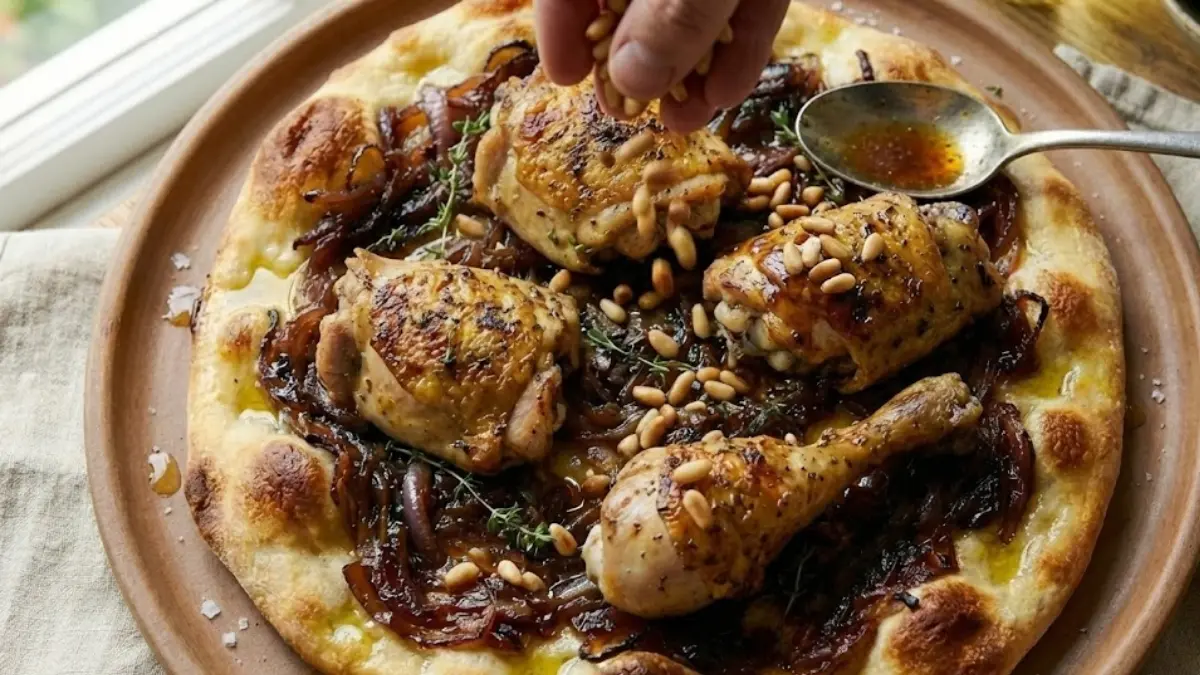
Place roasted chicken on top, drizzle with pan juices, and sprinkle toasted nuts.
Step 6: Serve Warm
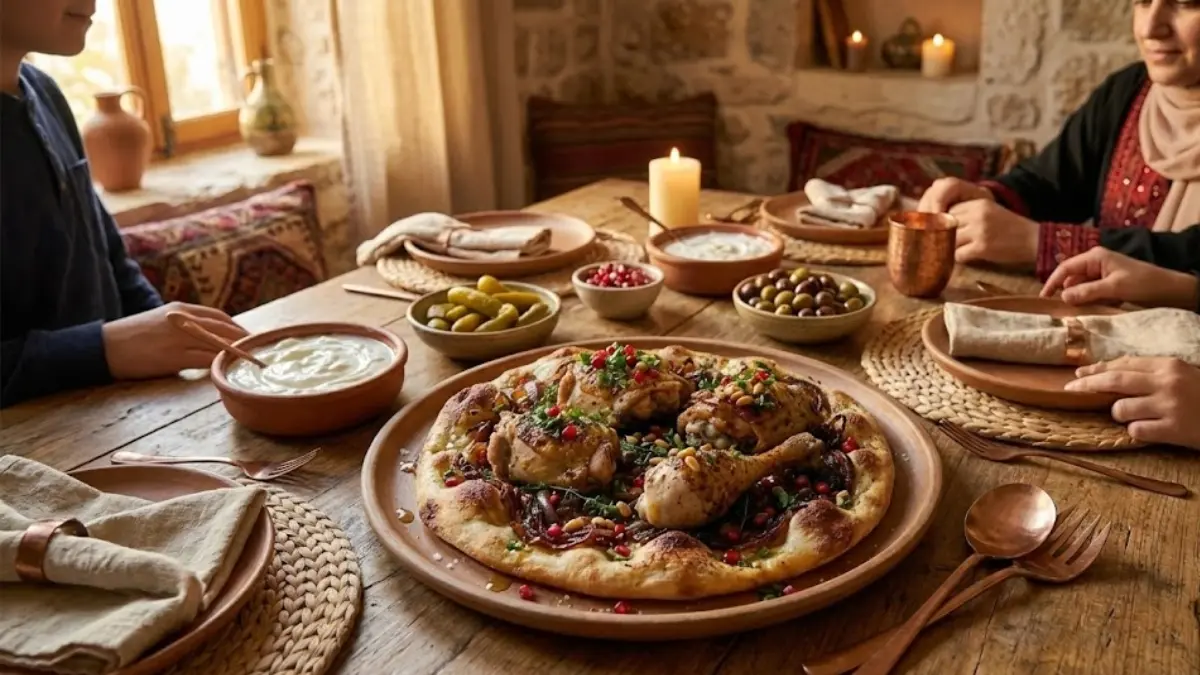
Musakhan is traditionally served family-style and eaten by hand no forks required!
What Bread Is Best for Musakhan?
Traditionally, taboon bread is used, but if it’s unavailable:
- Arabic flatbread
- Large pita
- Thin naan
The key is bread that can absorb olive oil without falling apart.
Common Mistakes to Avoid
- Using too little olive oil
- Rushing the onions
- Skipping sumac or under-seasoning
- Using dry chicken cuts
Musakhan is meant to be rich, fragrant, and comforting not dry or bland.
Variations of Palestinian Musakhan
- Musakhan Rolls: Wrapped in flatbread and baked
- Sheet-Pan Musakhan: Great for parties
- Boneless Version: Easier to eat, less traditional
All are delicious, but the classic version remains unmatched.
Storage & Reheating Tips
- Store leftovers in an airtight container (up to 2 days)
- Reheat gently in the oven, covered
- Add a drizzle of olive oil before reheating to refresh flavor
Why This Dish Ranks So High in Middle Eastern Cuisine
Musakhan isn’t just food it’s heritage.
It represents generosity, simplicity, and respect for ingredients. The balance of tangy sumac, sweet onions, and rich olive oil makes this dish unforgettable.

Authentic Palestinian Musakhan Recipe
Ingredients
Equipment
Method
Season the Chicken
Preheat your oven to 180°C / 350°F.In a large bowl, mix olive oil, sumac, lemon juice, salt, black pepper, allspice, and cinnamon. Coat the chicken thoroughly, ensuring the seasoning reaches all sides.
Roast the Chicken
Arrange the chicken pieces skin-side up on a baking tray. Roast uncovered for 50–60 minutes, turning once halfway, until the chicken is fully cooked and golden brown. Reserve the pan juices for assembly.Caramelize the Onions
While the chicken roasts, heat olive oil in a wide pan over medium heat. Add sliced red onions and cook slowly for 15–20 minutes, stirring frequently, until soft, glossy, and lightly caramelized.Season with salt, black pepper, and sumac. Remove from heat.Toast the Nuts
In a small dry pan, toast pine nuts or almonds over low heat until lightly golden. Set aside.Assemble the Musakhan
Place flatbread on a large serving platter. Spread a thick, even layer of the caramelized onions over the bread, allowing the olive oil to soak in.Add the Chicken
Arrange the roasted chicken pieces on top of the onion-covered bread. Spoon some of the reserved pan juices over the chicken for extra flavor and moisture.Garnish
Sprinkle toasted nuts generously over the dish for texture and visual appeal.Serve Warm
Serve immediately while warm. Musakhan is traditionally eaten by hand and shared family-style.
Notes
Palestinian Musakhan Recipe

- Use high-quality extra virgin olive oil for authentic flavor.
- Do not rush the onions; slow cooking brings out natural sweetness.
- Sumac is essential and should not be skipped for authentic taste.
- Bone-in chicken produces the juiciest results.
- For extra richness, drizzle a little olive oil just before serving.
Substitutions & Variations
- Boneless version: Use boneless chicken thighs for easier serving.
- Baked Musakhan rolls: Wrap filling in flatbread and bake.
- Nut-free: Skip nuts if allergies are a concern.
Storage & Reheating
- Store leftovers in an airtight container for up to 2 days.
- Reheat covered in the oven at 160°C / 325°F.
- Add a light drizzle of olive oil before reheating to restore moisture.
Nutrition (Estimated per Serving)
- Calories: ~620 kcal
- Protein: 38g
- Fat: 42g
- Carbohydrates: 28g
Final Thoughts
If you were searching for a fully explained Palestinian Musakhan recipe, this guide gives you everything you need—from cultural background to step-by-step cooking confidence. It’s warm, bold, deeply satisfying, and perfect for sharing.
Make it once, and it won’t be your last time. ❤️
Hello friends, if you liked the recipe information we provided, please share this blog with your friends and follow us for more updates.
Frequently Asked Questions (FAQs) about Palestinian Musakhan recipe
What is Palestinian Musakhan recipe made of?
Palestinian Musakhan is made with roasted chicken, large amounts of caramelized red onions, extra virgin olive oil, sumac spice, and flatbread. The dish is known for its bold yet balanced flavors, where tangy sumac and sweet onions come together over warm bread.
Is Musakhan spicy?
No, Musakhan is not spicy. It has a tangy, slightly citrusy flavor from sumac rather than heat. If you prefer spice, you can add chili flakes, but traditionally Musakhan is mild and aromatic.
What bread is traditionally used for Musakhan?
Traditional Musakhan is served on taboon bread, a Palestinian flatbread. If taboon bread is not available, Arabic flatbread, large pita bread, or thin naan can be used as substitutes.
Can I make Musakhan ahead of time?
Yes, Musakhan can be partially prepared ahead. You can roast the chicken and caramelize the onions in advance, then assemble and reheat before serving. For best flavor, assemble just before serving so the bread stays soft, not soggy.
What can I use instead of sumac in Musakhan?
Sumac is essential for authentic Musakhan flavor. However, in emergencies, a small mix of lemon zest and lemon juice can mimic some of its tanginess, though the taste will not be identical.
Why is olive oil so important in Musakhan?
Olive oil is a key ingredient, not just a cooking fat. It carries flavor, keeps the chicken juicy, softens the bread, and ties all ingredients together. Using high-quality extra virgin olive oil makes a noticeable difference.
Can Musakhan be made with boneless chicken?
Yes, boneless chicken thighs can be used, especially for easier eating. However, bone-in chicken is preferred in traditional Musakhan because it stays juicier and delivers deeper flavor.
How do I store leftover Musakhan?
Store leftover chicken and onions in an airtight container in the refrigerator for up to 2 days. Store bread separately if possible. Reheat gently in the oven and drizzle with olive oil before serving.
Is Musakhan healthy?
Musakhan can be part of a balanced diet. It uses whole ingredients like onions, olive oil, and spices. While it is rich due to olive oil, it contains no processed ingredients and is naturally high in flavor without heavy sauces.
What dishes are served with Musakhan?
Musakhan is commonly served with fresh salads, yogurt, pickled vegetables, or simple sides that balance its richness. Many people enjoy it as a complete meal on its own.
Content information Source:- https://palestineinadish.com/recipes/chicken-musakhan/
Also Read:- Moroccan Meatballs Recipe – Juicy, Spiced & Simmered in Rich Tomato Sauce