
Welcome food lovers, curious cooks, and culinary explorers! If you’ve ever wondered how chefs turn liquids into edible pearls, transform sauces into foams that melt in your mouth, or reinvent classic foods through science, you’ve come to the right place. In this blog, you’ll discover the most exciting molecular gastronomy recipes, techniques, tools, and tips that will elevate your kitchen creativity whether you’re cooking for fun or aiming to impress your guests like a pro.
Let’s dive deep into this fascinating fusion of science and cooking where chemistry meets creativity and every dish becomes a sensory adventure.
What Is Molecular Gastronomy?
Molecular gastronomy is a branch of food science and modernist cuisine that explores how cooking ingredients behave at a chemical and physical level. It’s not just about eating it’s about understanding the science of food, experimenting with new textures and structures, and presenting dishes in surprising, delightful ways.
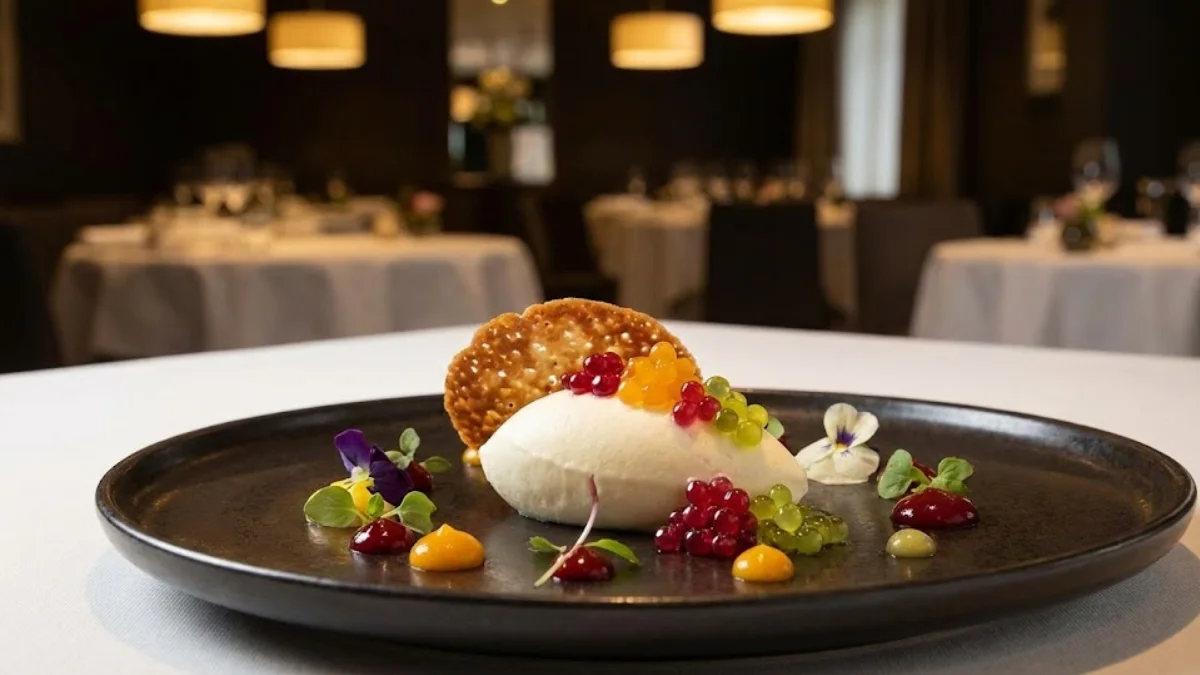
Legendary chefs like Ferran Adrià, Heston Blumenthal, and many modern culinary innovators have used these principles to transform the dining experience with creations such as fruit “caviar”, edible foams, airs, and spheres that burst with flavor.
In simpler terms:
👉 Think of the kitchen as a laboratory, where ingredients are your elements and dishes are your experiments.
Why Molecular Gastronomy Recipes Are Trendy (and Worth Trying)
Modern molecular gastronomy isn’t just for Michelin-star chefs. Thanks to better access to ingredients, tools, and techniques, home cooks can experiment too. Here’s why this culinary style is so exciting:
- New textures & sensations edible foams, jellies, spheres, and airs that surprise the senses.
- Scientific fun cooking becomes a creative experiment with real reactions.
- Enhanced flavor concentration of pure flavors that traditional techniques can’t achieve.
- Visual appeal dishes that look as innovative as they taste.
From caviar-like juice pearls to airy foams and gelified sauces, molecular gastronomy allows you to reinvent familiar foods and impress with both taste and presentation.
Best Molecular Gastronomy Techniques That Create Amazing Recipes
To master molecular gastronomy, you must understand the techniques behind it. These are the foundations used by chefs and recipe developers alike:
1. Spherification Little Pearls of Flavor
Spherification is one of the most iconic techniques in molecular cooking. It uses a chemical reaction between sodium alginate and calcium to create tiny spheres with liquid centers — often compared to caviar.
Example creations:
- Fruit juice pearls
- Olive oil spheres
- Cocktail caviar for drinks or desserts
Perfect for appetizers, garnishes, and cocktails.
2. Foams & Airs Light, Flavorful Clouds
Foams are airy, delicate textures that dissolve instantly on the palate — delivering intense flavors with minimal weight. These are made using emulsifiers like lecithin or products like Versawhip and methylcellulose.
Popular foams:
- Coconut foam with fruit
- Mushroom or herb foams for savory dishes
- Sweet dessert foams
Foams add elegance and intensity to every bite.
3. Sous Vide Precision with Flavor
Sous vide means “under vacuum” in French. This technique involves slow cooking food in water at a precisely controlled temperature, producing perfectly cooked meats and vegetables.
Why it’s great:
- Even temperature throughout
- Maximum tenderness and juice retention
- Superb flavor infusion
4. Gelification Transform Liquids into Gels
Gelification uses gelling agents like agar or gelatin to turn liquids into firm or jelly-like textures. It’s perfect for creating creative layers, cubes, or parts of complex dishes.
Try this with sauces, fruit juices, or purees for dynamic plating styles.
5. Rapid Cooling Liquid Nitrogen & Anti-Griddles
These tools allow chefs to instantly freeze ingredients, creating light, crunchy textures or dramatic presentations.
- Liquid nitrogen for flash freezing
- Anti-griddles for turning liquids into frozen sheets
Both offer dramatic flair and textural contrast.
Mouth-Watering Molecular Gastronomy Recipes to Try
Here are some curated recipe ideas you can explore from beginner-friendly to more advanced experiments:
1. Fruit Caviar (Spherification)
Ingredients:
- Fruit juice
- Sodium alginate
- Calcium bath solution
Method:
- Blend juice with sodium alginate.
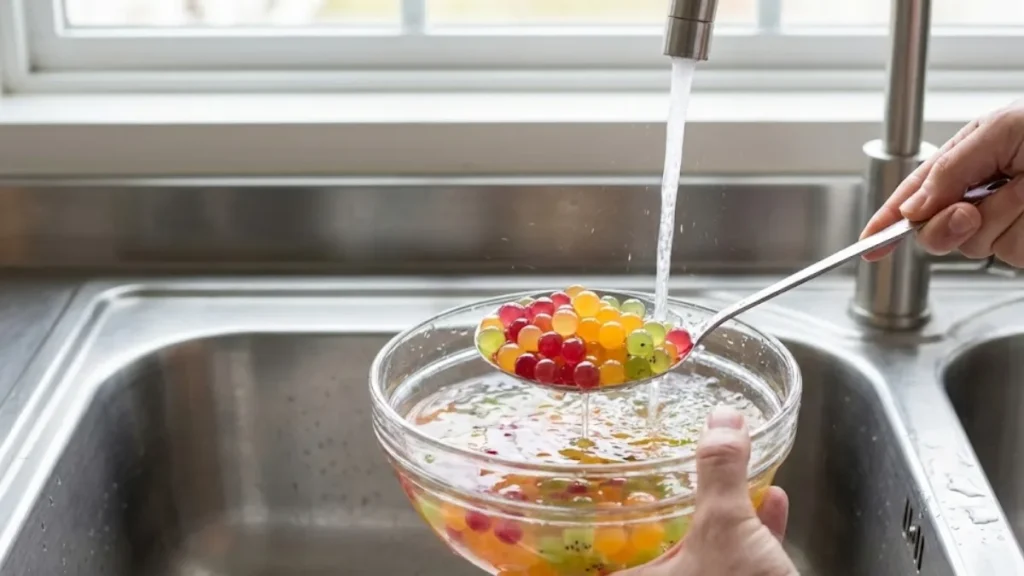
- Drop into calcium solution to form pearls.
- Rinse and serve with sorbet or desserts.
✨ Perfect for topping cocktails or desserts.
2. Coconut Foam
Ingredients: Coconut milk, lecithin or Versawhip
Method:
- Blend coconut milk with lecithin.
- Spoon off the foam after emulsification.
- Serve over fruit salad or tropical dishes.
3. Sous Vide Chicken & Herb Jus
Ingredients: Chicken breast, herbs, salt, pepper
Method:
- Season and vacuum-seal chicken.
- Sous vide at 60°C (140°F) for 1.5 hours.
- Finish with a quick sear and serve with a light herb espuma.
Delicious tenderness locked into every bite!
4. Gelled Fruit Cubes
Ingredients: Fruit juice + agar agar
Method:
- Heat juice with agar.
- Pour into molds and chill until set.
- Serve in a dessert plate with foam or gelled sauces.
This combines gelification with visual elegance.
Molecular Gastronomy Ingredients Table
| Ingredient Name | Quantity | Purpose / Use |
|---|---|---|
| Fruit Juice (any flavor) | 250 ml | Base liquid for spherification and gels |
| Sodium Alginate | 2–3 g | Used for spherification to create liquid-filled pearls |
| Calcium Chloride or Calcium Lactate | 5 g | Reacts with sodium alginate to form spheres |
| Agar Agar Powder | 2 g | Plant-based gelling agent for gels and cubes |
| Gelatin Powder | 5 g | Used for soft gels and elastic textures |
| Soy Lecithin | 2 g | Creates foams and airs |
| Xanthan Gum | 1 g | Thickening and stabilizing sauces |
| Methylcellulose | 2 g | Heat-activated thickener for foams and hot gels |
| Sugar | 30 g | Sweetening and balancing flavors |
| Salt | To taste | Enhances flavor |
| Water | 500 ml | Used for calcium baths and dilutions |
| Olive Oil or Neutral Oil | 30 ml | Used in emulsifications and spheres |
| Herbs or Spices | As needed | Flavor infusion |
| Cream or Milk (optional) | 100 ml | Used in foams and emulsions |
| Food Coloring (optional) | Few drops | Visual enhancement |
Molecular Gastronomy Tips for Home Cooks
- Precision matters measure ingredients carefully.
- Use good quality emulsifiers and gelling agents they make a big difference.
- Be patient molecular gastronomy is as much about experimentation as execution.
- Start with simple techniques like foams or spherification before moving to advanced ones.
Pairing Molecular Recipes with Meals
Molecular gastronomy doesn’t replace traditional cooking it enhances meals. Serve molecular elements as:
Appetizer amuse-bouches
Garnishes on mains
Elegant dessert components
Your guests will remember the experience more than the meal itself.
Molecular Gastronomy Recipes
Ingredients
Equipment
Method
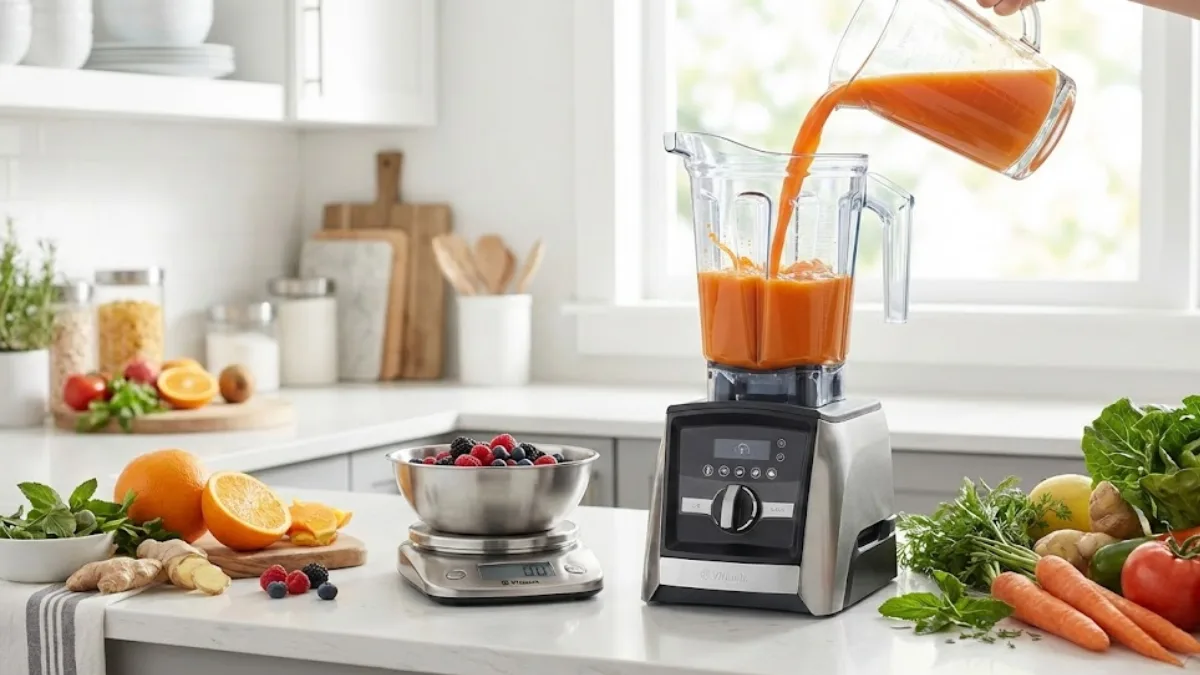
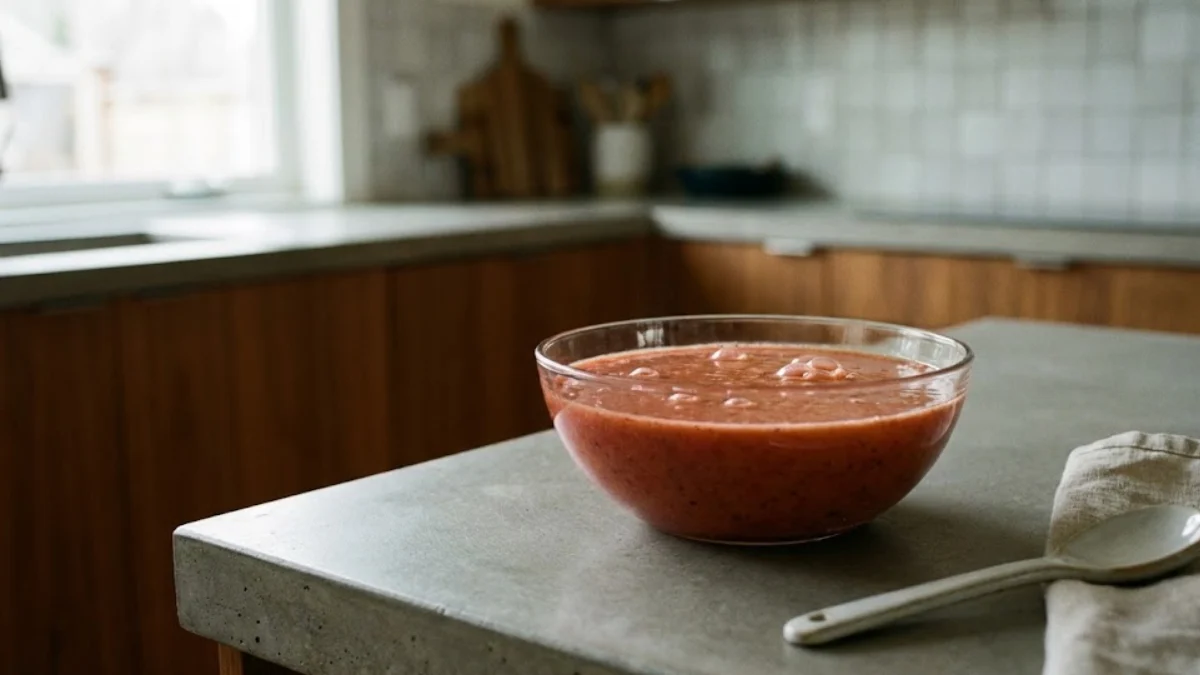
- Prepare the Fruit Base: Pour the fruit juice into a blender. If the juice is acidic (like citrus), add sugar to balance flavor. Strain the juice to remove pulp for smoother spheres.

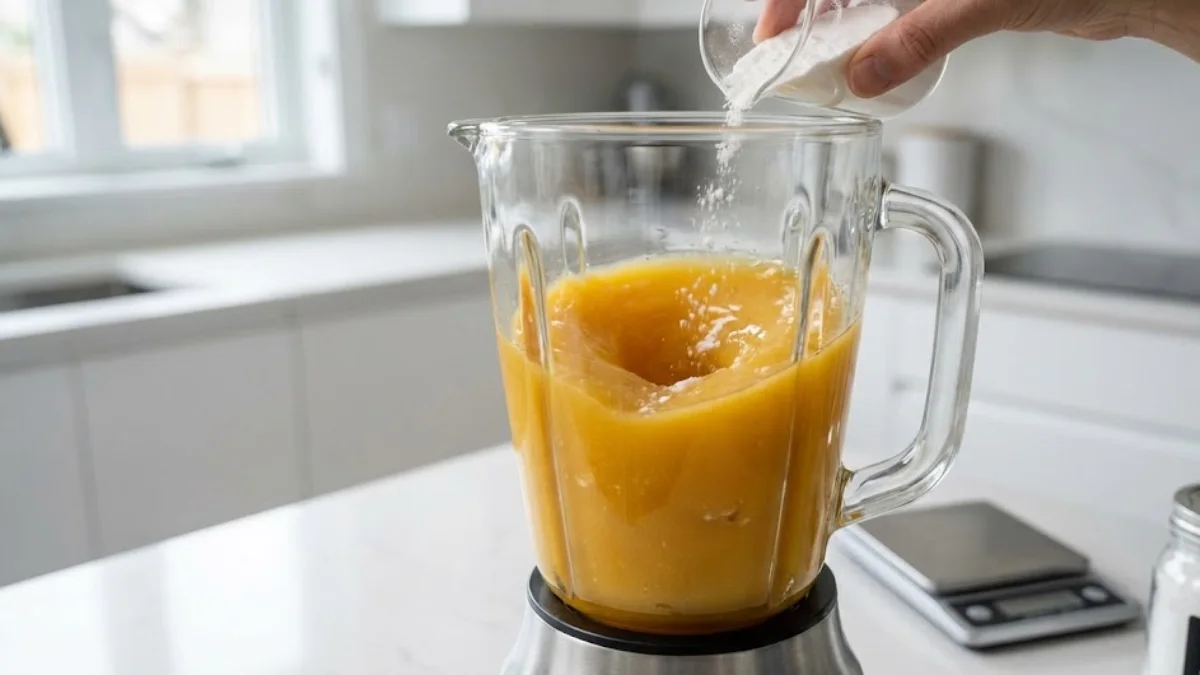
- Add Sodium Alginate: Add 2 grams of sodium alginate to the juice. Blend for 1–2 minutes until fully dissolved. Avoid adding air bubbles.
- Rest the Mixture: Let the blended mixture rest for 10 minutes. This removes trapped air bubbles and ensures clean, round caviar pearls.
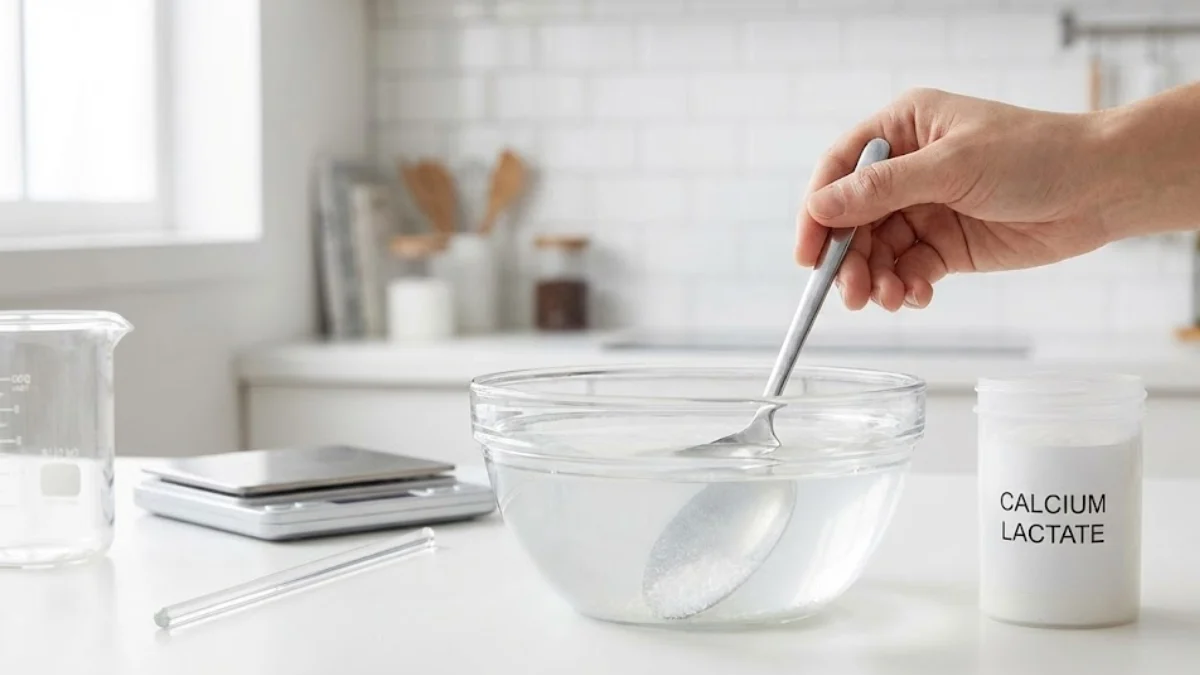
- Prepare Calcium Bath: In a separate bowl, dissolve calcium lactate in 500 ml of water. Stir well until fully mixed.
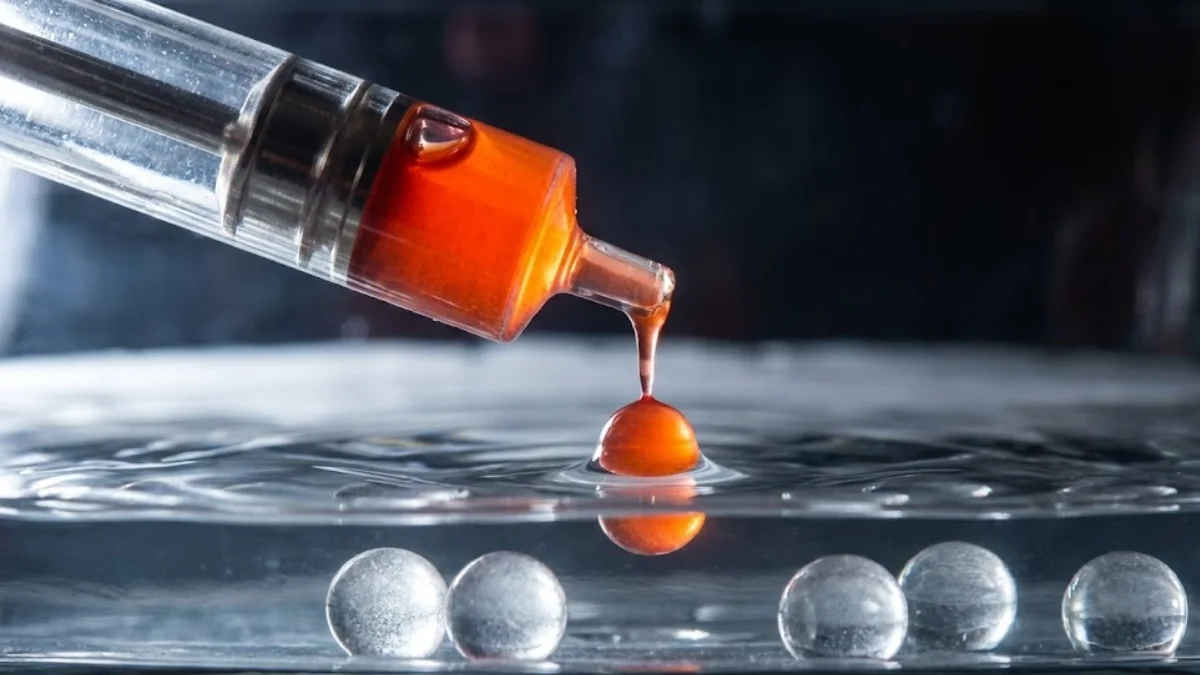
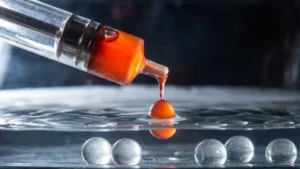
- Create the Caviar: Using a syringe or dropper, gently drop the juice mixture into the calcium bath. Small spheres will instantly form.
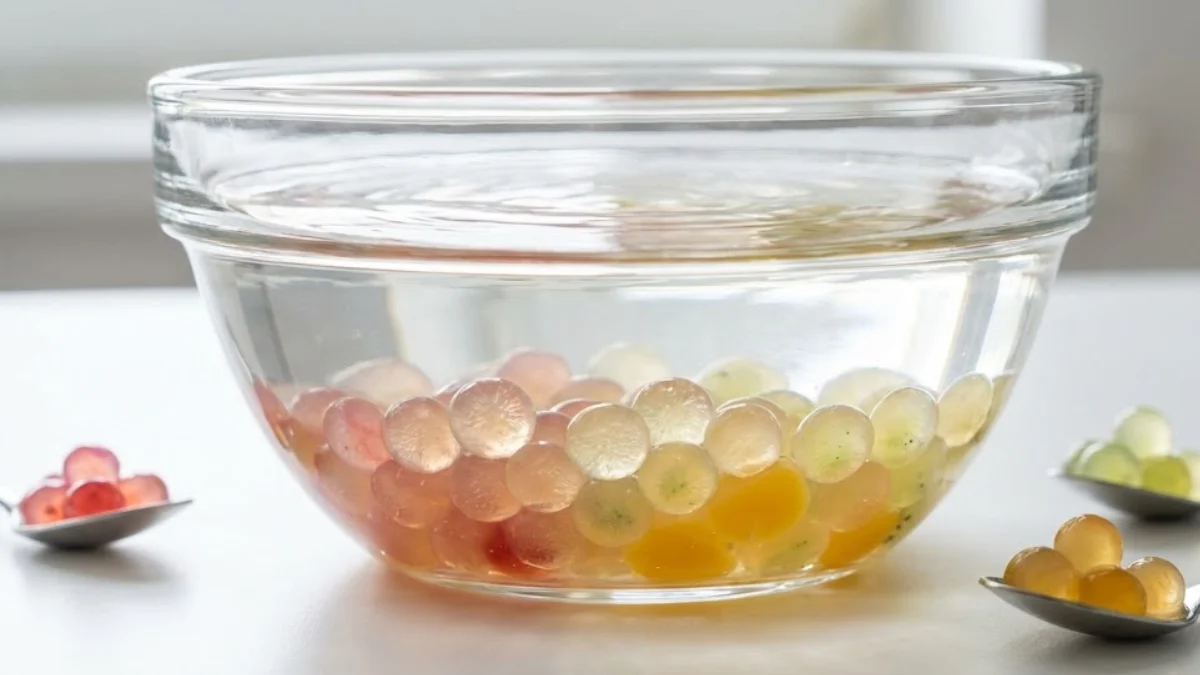
- Set the Spheres: Allow the spheres to sit in the bath for 30–60 seconds. This controls how thick the outer membrane becomes.
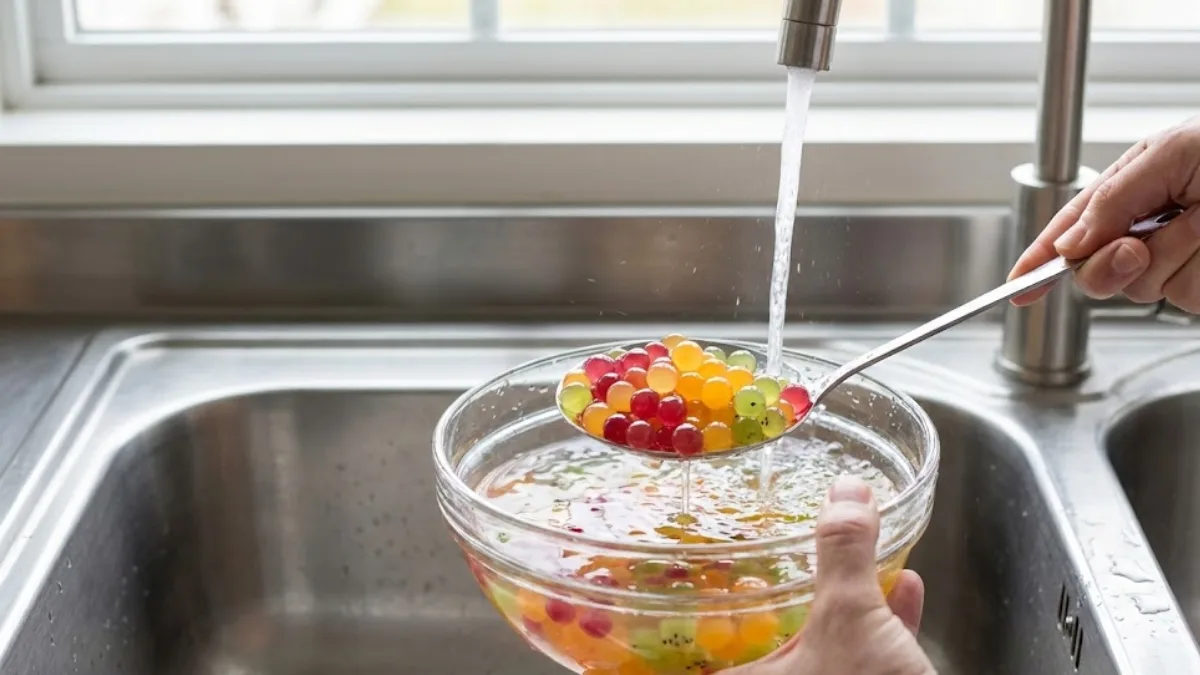
- Rinse the Caviar: Remove the spheres using a slotted spoon and rinse them in clean water to stop the reaction and remove excess calcium.
- Serve or Store: Use immediately for best texture or store refrigerated in neutral liquid for up to 24 hours.
Video
Notes
Molecular Gastronomy Recipe
- For best results, always measure molecular ingredients accurately using a digital kitchen scale. Even small variations can affect texture and consistency.
- Calcium lactate is recommended over calcium chloride, as it provides a neutral taste and is more beginner-friendly.
- Use clear, pulp-free liquids for smooth and visually appealing spheres. Strain juices before use if needed.
- Allow the sodium alginate mixture to rest before spherification to eliminate air bubbles and ensure perfectly round caviar.
- The longer the spheres remain in the calcium bath, the thicker the outer membrane becomes. Adjust timing based on desired texture.
- Rinse finished spheres in clean water to stop the reaction and remove any residual calcium flavor.
- Molecular gastronomy dishes are best served fresh, as textures may change over time.
- Store prepared caviar in a neutral liquid (such as water or fruit juice) and refrigerate for up to 24 hours.
- This recipe works well with fruit juices, flavored water, or cocktails, making it versatile for both sweet and savory dishes.
Final Thoughts
Molecular gastronomy is more than a cooking trend it’s a creative journey that unlocks unseen potential in ingredients. From bursting juice pearls to ethereal foams, every molecular recipe is an invitation to explore food from a scientific yet artistic perspective.
Whether you’re a curious beginner or an experienced chef, these techniques and recipes will transform how you think about cooking bringing science, innovation, and flavor together on every plate.
Frequently Asked Questions (FAQ)
-
What are molecular gastronomy recipes?
Molecular gastronomy recipes are modern cooking methods that use science-based techniques to transform the texture, appearance, and experience of food. These recipes often involve processes like spherification, foaming, gelification, and precise temperature cooking to create innovative dishes with intense flavors and unique presentations.
-
Is molecular gastronomy safe to eat?
Yes, molecular gastronomy is completely safe when done correctly. The ingredients used, such as agar agar, lecithin, and sodium alginate, are food-grade and approved for consumption. Proper measurements and techniques ensure safety and great taste.
-
Can beginners try molecular gastronomy recipes at home?
Absolutely. Many molecular gastronomy recipes are beginner-friendly and can be made at home with simple tools. Recipes like fruit caviar, flavored foams, and gelled desserts are perfect for beginners starting their molecular cooking journey.
-
What equipment is needed for molecular gastronomy cooking?
Basic molecular gastronomy recipes can be made with common kitchen tools like blenders, measuring spoons, and syringes. Advanced techniques may require tools such as immersion blenders, sous vide machines, or precision scales, but beginners don’t need expensive equipment.
-
What are the most popular molecular gastronomy techniques?
The most popular techniques include spherification, foams and airs, gelification, sous vide cooking, emulsification, and rapid freezing. These methods allow chefs to create unique textures and visually stunning dishes.
-
What ingredients are commonly used in molecular gastronomy recipes?
Common ingredients include agar agar, gelatin, lecithin, sodium alginate, calcium chloride, xanthan gum, and methylcellulose. These ingredients help change the structure and texture of food while preserving its flavor.
-
Are molecular gastronomy recipes vegetarian or vegan friendly?
Yes, many molecular gastronomy recipes are vegetarian and vegan. Ingredients like agar agar and plant-based lecithin are popular vegan alternatives to gelatin, making molecular cooking accessible to plant-based diets.
-
How is molecular gastronomy different from traditional cooking?
Traditional cooking focuses on flavor through heat and seasoning, while molecular gastronomy explores how ingredients react on a chemical and physical level. It emphasizes texture transformation, scientific precision, and creative presentation alongside flavor.
-
What are some easy molecular gastronomy recipes to start with?
Easy recipes include fruit juice caviar, chocolate soil, flavored foams, gelled fruit cubes, and yogurt spheres. These recipes require minimal ingredients and offer impressive visual results.
-
Do molecular gastronomy recipes taste good or are they just for show?
Molecular gastronomy recipes are designed to enhance flavor, not just appearance. The techniques often intensify taste, improve mouthfeel, and create memorable eating experiences beyond visual appeal.
-
How long does it take to learn molecular gastronomy cooking?
Basic molecular gastronomy techniques can be learned within a few days of practice. Mastering advanced methods takes time, experimentation, and patience, but beginners can achieve great results quickly with simple recipes.
-
Why are molecular gastronomy recipes popular in fine dining?
These recipes allow chefs to surprise diners with unexpected textures, interactive elements, and artistic presentations. Molecular gastronomy creates memorable dining experiences that stand out in high-end restaurants.
-
Can molecular gastronomy be used in everyday meals?
Yes, molecular gastronomy techniques can enhance everyday meals by adding creative garnishes, sauces, or textures without changing the core dish. Even small elements like foams or gels can elevate home-cooked food.
-
Is molecular gastronomy expensive to practice?
It doesn’t have to be. While professional kitchens use advanced tools, many molecular gastronomy recipes can be made at home using affordable ingredients and basic equipment.
-
Where can I find reliable molecular gastronomy recipes?
Reliable recipes can be found on dedicated culinary science websites, professional chef blogs, and trusted food science platforms that focus on tested molecular gastronomy techniques.
Content information Source:- https://www.amusingfoodie.com/molecular-gastronomy-at-home/
Also Read:- Recipe Ugali: The Simple Traditional Method That Never Fails