Welcome back friends, Molecular gastronomy recipes are not just food — they are edible science, redefining how we cook, present, and experience dishes. Whether you’re a curious home cook or a professional chef, this guide unlocks techniques, tips, and inspirational recipes that bring contemporary culinary creativity to life.
Molecular gastronomy blends culinary arts with science to create dishes that are beautiful, delicious, and surprising. At its core, it’s about understanding how ingredients behave at a molecular level and using that knowledge to transform textures, presentations, and flavors in bold, innovative ways.
What Is Molecular Gastronomy?
Molecular gastronomy is the scientific approach to cooking — exploring the physical and chemical changes that occur during cooking and experimenting to create novel dining experiences. It goes beyond traditional cooking by using science-based techniques and ingredients to transform food in unexpected ways.
This movement began in the late 20th century when scientists and chefs like Hervé This and Nicholas Kurti started studying food at a molecular level and applying that insight to cuisine. The result? A revolutionary approach that blends chef creativity with scientific precision.
On MolecularRecipes.com, you’ll find hundreds of recipes and techniques designed to inspire both beginners and advanced cooks, including spherical olives, frozen parmesan air, potato foam, coconut soil and more.
Key Molecular Gastronomy Techniques
Before diving into recipes, it’s essential to understand the techniques that make molecular gastronomy recipes so unique. These aren’t everyday cooking methods — they’re tools that unlock new textures and flavors.
1. Spherification
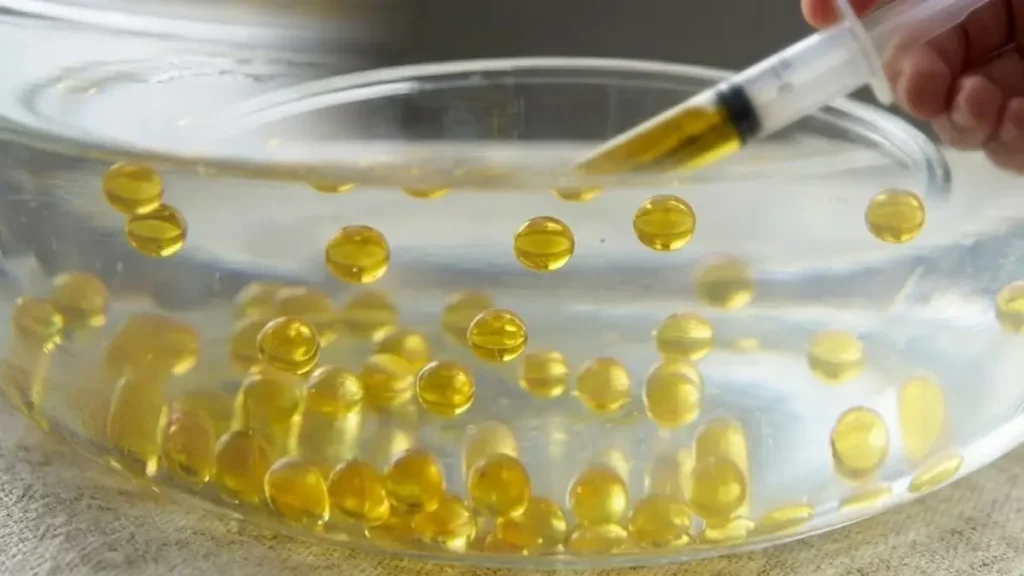
Spherification transforms liquids into delicate spheres that resemble caviar or pearls. This technique uses a reaction between sodium alginate and a calcium bath to form a gelled membrane around a liquid. It’s often used to create flavor bursts that pop in the mouth — imagine olive oil spheres, fruit juice pearls, or cocktail caviar.
⚡ Fun fact: Spherification was popularized by Ferran Adrià at the legendary restaurant El Bulli in the 2000s and is now a signature technique in modernist cuisine.
2. Reverse Spherification
Unlike basic spherification, reverse spherification is ideal for liquids that already contain calcium — such as dairy or alcoholic mixtures — and creates larger spheres that are more stable. Perfect for larger, flavorful “liquid balls” that can be eaten with a spoon!
3. Foams, Airs, and Espumas
Foams and airs add light, aromatic layers to dishes. They are made from liquids mixed with stabilizers (like lecithin or agar) and whipped into airy textures. These foams enhance flavor without overwhelming the palate.
4. Sous-Vide Cooking
Sous-vide means “under vacuum”. This technique cooks food slowly in a temperature-controlled water bath, ensuring perfect texture and flavor retention — commonly used for meats and vegetables.
5. Flash Freezing & Liquid Nitrogen
Introducing extreme cold allows chefs to freeze foods instantly with very fine ice crystals, preserving flavor and creating extraordinary textures. Liquid nitrogen is often used in desserts and frozen foams.
6. Deconstruction
Deconstruction takes a traditional dish and breaks it into its core components — flavors and textures — then presents them in new, artistic forms. It’s as much visual performance as it is gastronomic innovation.
🍽️ Popular Molecular Gastronomy Recipes to Try
Here are some incredible molecular gastronomy recipe ideas that you can experiment with at home or adapt for your menu:
🥄 1. Spherical Olive Oil Pearls
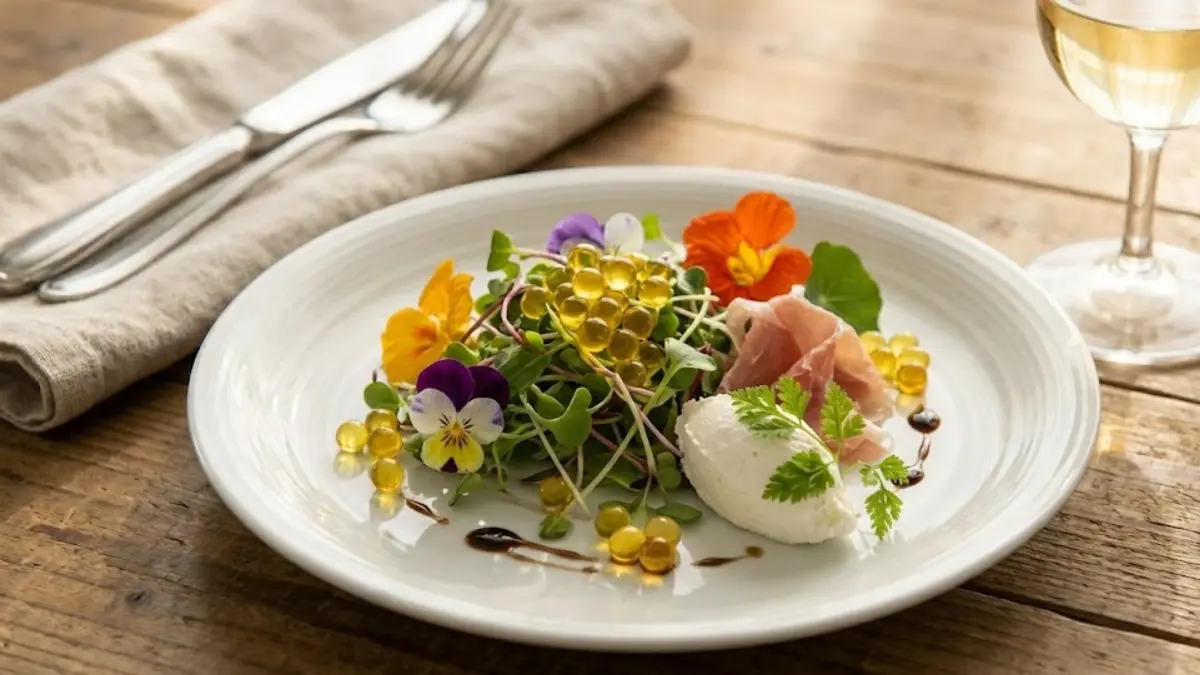
These olive oil “caviar” pearls add bursts of rich flavor to salads or crostini.
How It Works: Mix olive oil with sodium alginate, then drop the mixture into a calcium bath. The liquid instantly forms tiny spheres with flavorful centers.
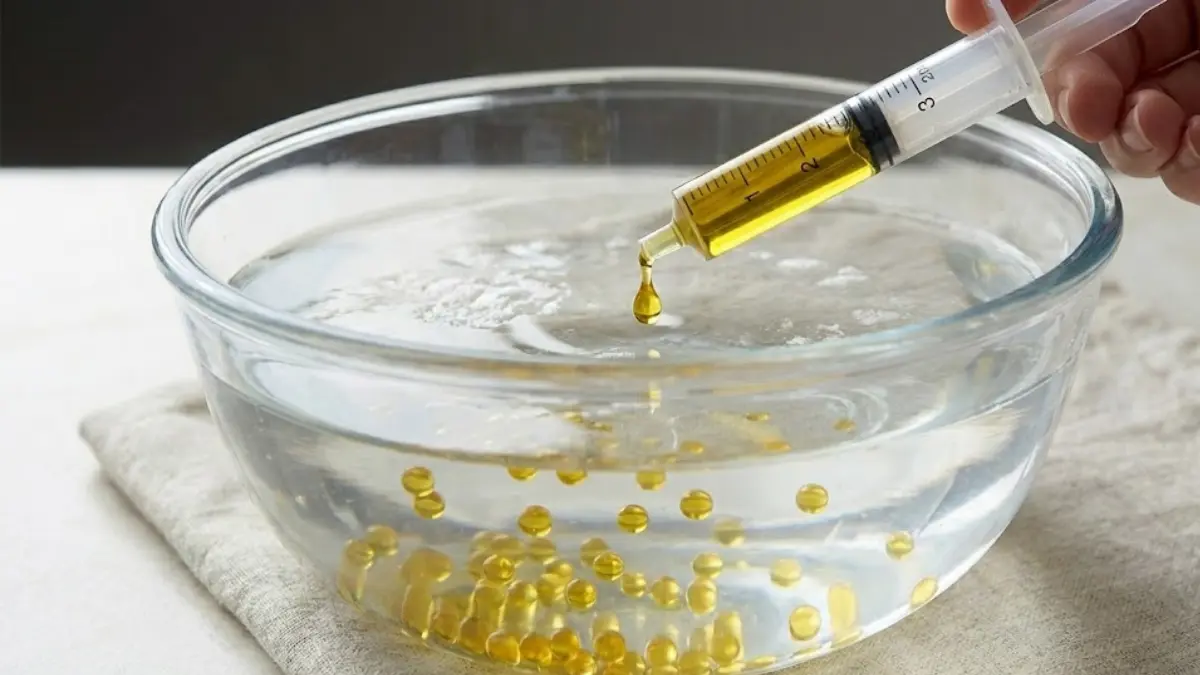
✨ Tip: Use a pipette or syringe to drop the liquid uniformly into the bath for perfect spheres.
🧀 2. Parmesan Air (Frozen Foam Air)
Transform Parmesan into a light, airy foam that floats above your plate, offering intense umami in a cloud-like texture.
Ingredients: Parmesan stock, lecithin, cold temperature (or nitrous oxide charger).
3. Potato Foam
Silky, flavorful and rich, this potato foam pairs beautifully with proteins like steak, roasted poultry, and even seafood.
Pro Tip: A siphon canister with a cream charger boosts volume and stability.
4. Chantilly Chocolate Mousse (Molecular Twist)
Inspired by French chemist Hervé This, this chocolate mousse uses just chocolate and water — no cream or eggs — producing a lighter texture thanks to science.
Why It Works: Chocolate’s natural fat and lecithin emulsify with the water and air, creating fluffy structures.
5. Cocktail Caviar Pearls
Turn your favorite cocktail into edible pearls — perfect as a garnish for drinks or desserts. Think Mojito spheres or Champagne pearls that burst with flavor.
5. Cocktail Caviar Pearls
Turn your favorite cocktail into edible pearls — perfect as a garnish for drinks or desserts. Think Mojito spheres or Champagne pearls that burst with flavor.
🍽️ Equipment & Ingredients Every Molecular Chef Needs
You don’t need a lab — but you will need a few specialist tools and ingredients:
🛠️ Useful Tools
- Siphon canister with chargers (for foams and airs)
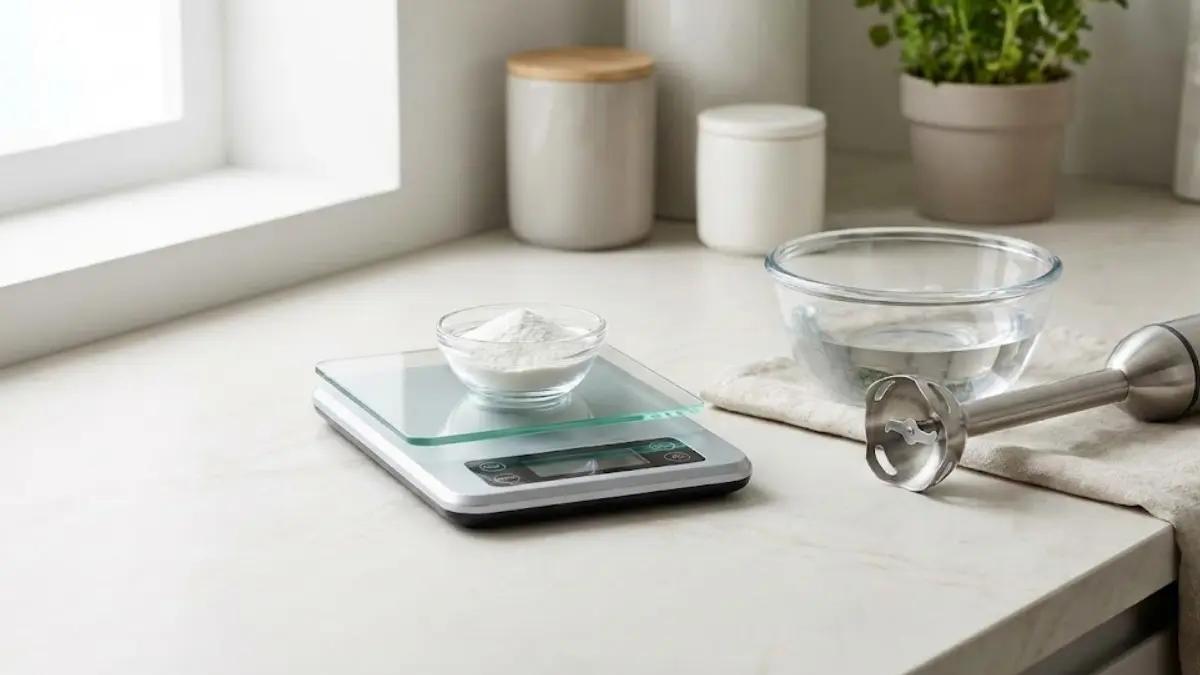
- Immersion blender or hand blender
- Precision scale for accurate measurement
- Vacuum bags and sous-vide immersion circulator
- Pipettes or droppers for spherification
🌿 Modernist Ingredients
- Sodium alginate (for spherification)
- Calcium chloride or calcium lactate
- Lecithin (for foams)
- Agar-agar or gelatin
- Maltodextrin for powders
These ingredients make the science work — turning familiar flavors into exciting forms.
🍴 Safety Tips for Home Experimentation
Molecular gastronomy can involve unfamiliar ingredients. Here’s how to cook safely:
✔ Use food-grade chemicals and follow exact measurements
✔ Avoid ingesting raw chemical blends
✔ Work in a well-ventilated area if using liquid nitrogen
✔ Keep experiments small and gradual until you understand the techniques
Molecular Gastronomy Recipes: The Art and Science of Modern Cooking
Ingredients
Equipment
Method
Prepare the Sodium Alginate Base
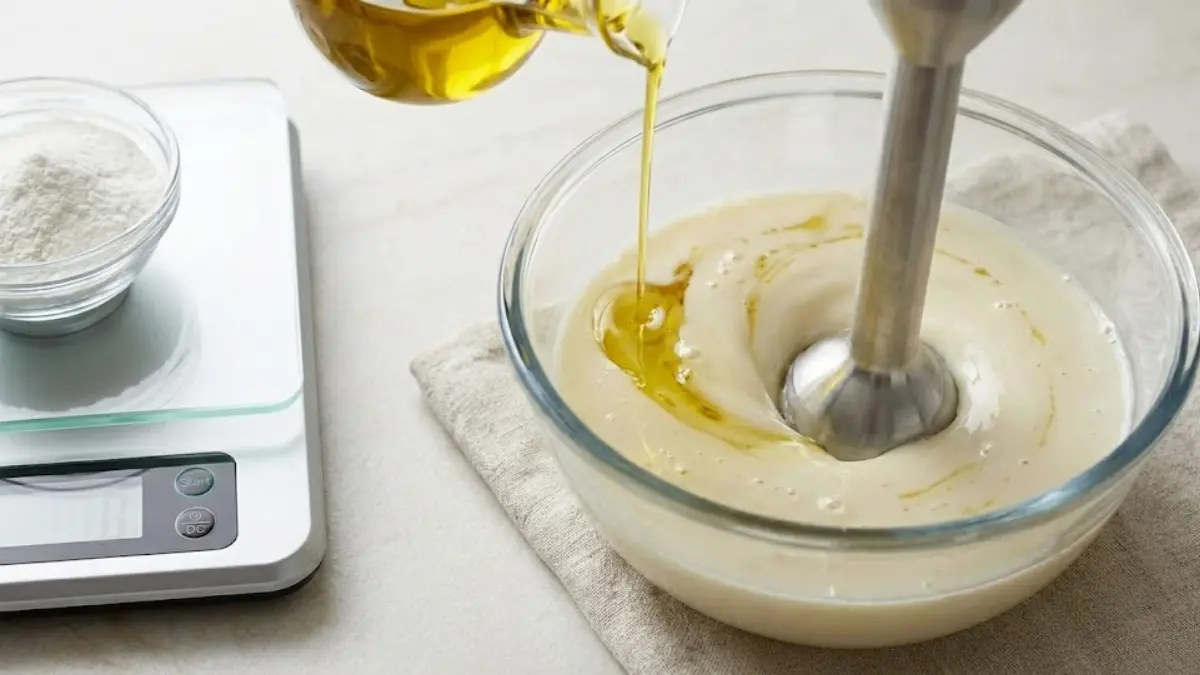
Add water and sodium alginate to a mixing bowl. Blend using an immersion blender for 1–2 minutes until fully dissolved. Let the mixture rest for 10 minutes to remove air bubbles.
Combine Olive Oil
Slowly add olive oil to the alginate mixture while gently blending until fully emulsified. Avoid adding air.Prepare the Calcium Bath
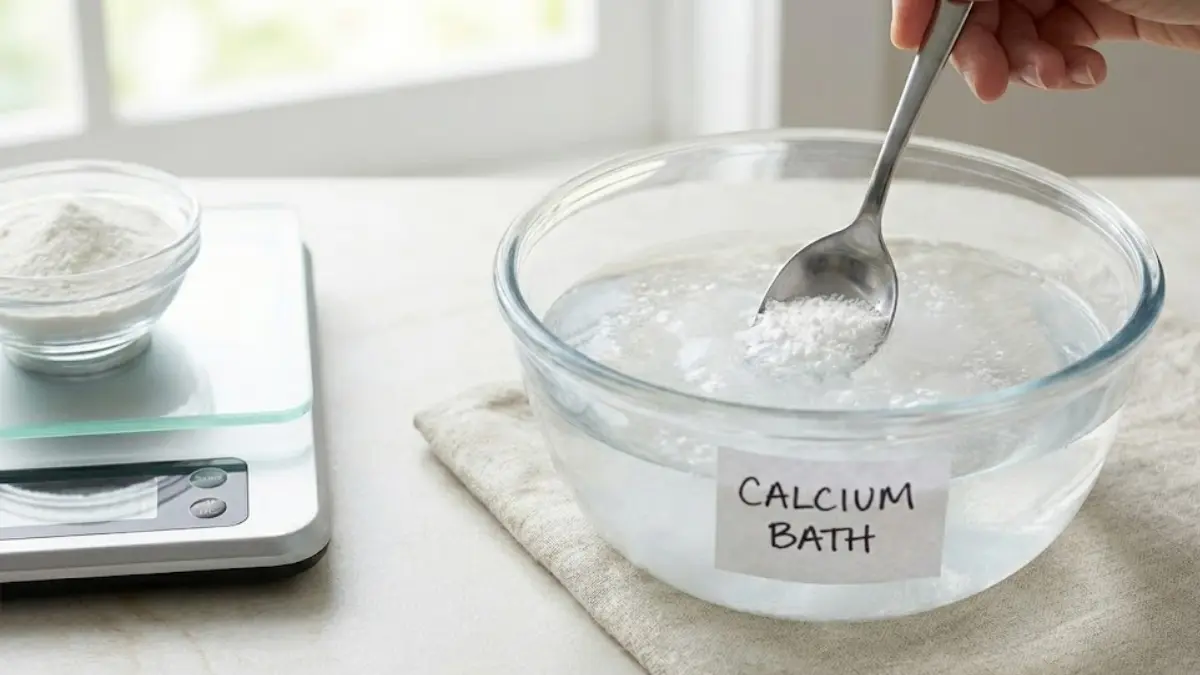
In a separate bowl, dissolve calcium chloride into water and stir well until completely dissolved.Form the Pearls
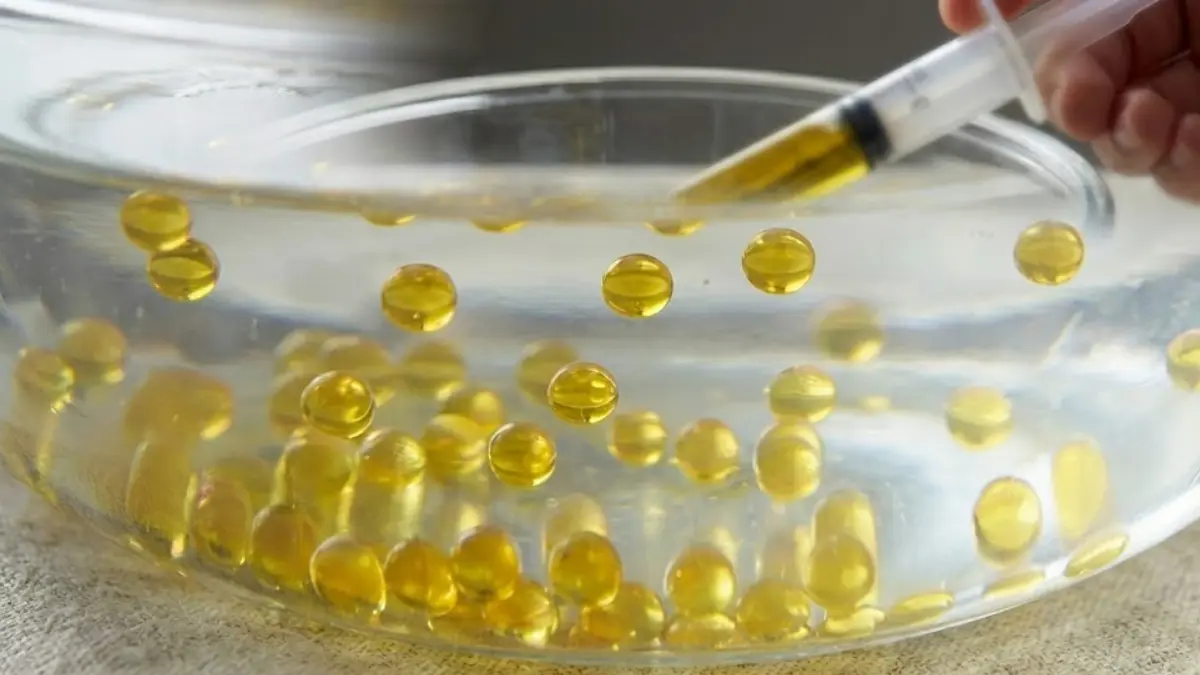
Using a syringe or pipette, carefully drop the olive oil mixture into the calcium bath. Spheres will form instantly.Set the Pearls
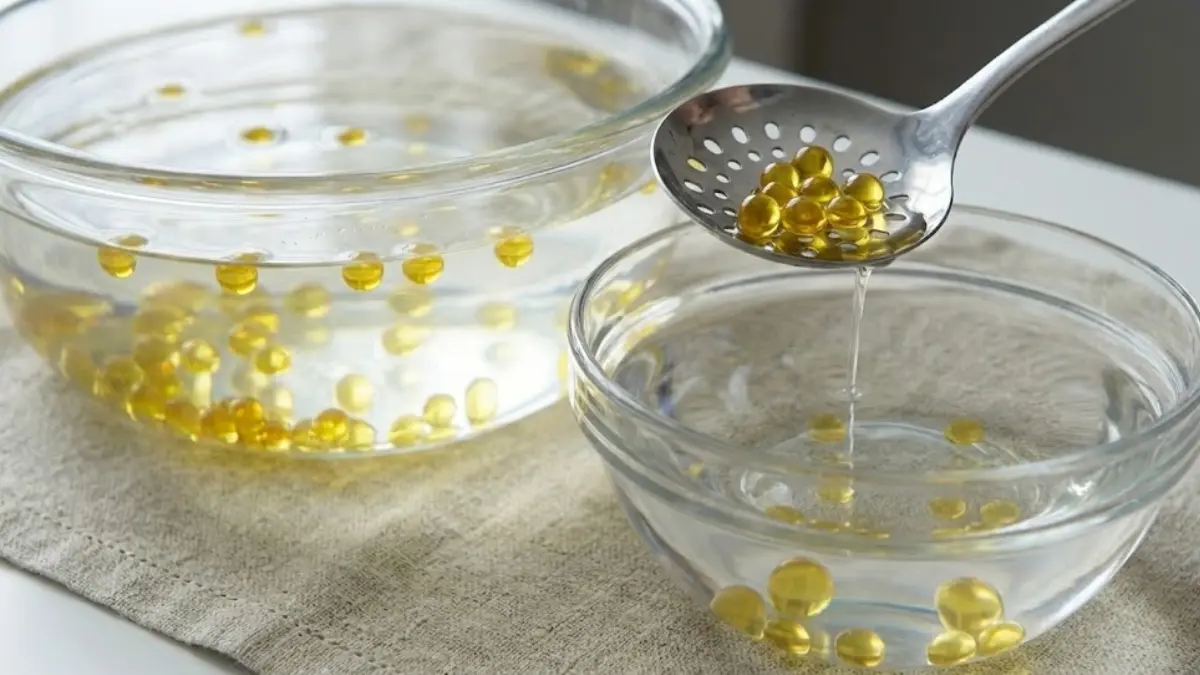
Allow the pearls to sit in the calcium bath for 30–60 seconds for a thin membrane. Do not over-set.Remove and Rinse
Use a slotted spoon to remove pearls and rinse them gently in clean cold water to stop the reaction.Drain Carefully
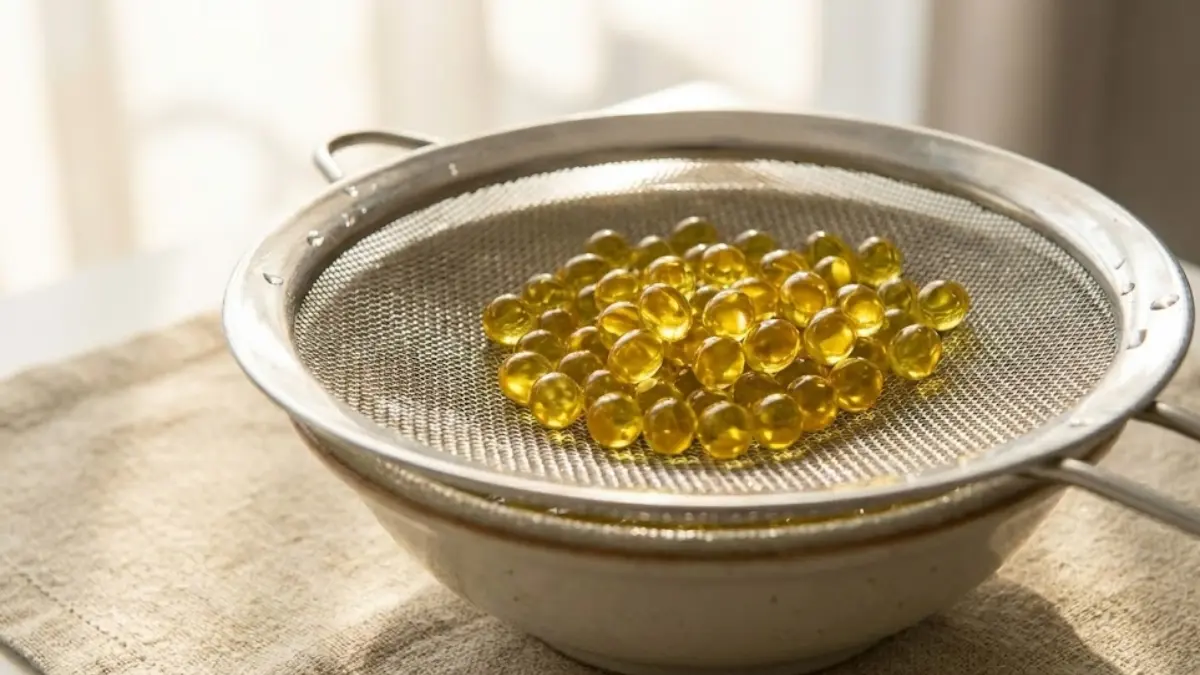
Place pearls on a paper towel or fine sieve to remove excess water.Serve Immediately
Serve fresh for best texture and flavor. Use as a garnish or finishing element.
Notes
Molecular Gastronomy Recipes
- Use fresh, high-quality olive oil for best flavor.
- Do not leave spheres in calcium bath too long or they will become rubbery.
- This is basic spherification, best served immediately.
- Pearls can be flavored with herbs or citrus zest for variation.
Variations
- Replace olive oil with balsamic vinegar, fruit juice, or cocktail mixes.
- Add garlic oil or chili oil for savory dishes.
- Use reverse spherification for dairy-based liquids.
Storage Instructions
- Best consumed immediately.
- Can be stored in olive oil for up to 2 hours in the refrigerator.
- Not freezer-friendly.
Pro Tips for Perfect Molecular Gastronomy Results
- Always measure ingredients by weight, not volume.
- Use cold water for rinsing to preserve structure.
- Practice with water first if you’re new to spherification.
Final Thoughts: Why Molecular Gastronomy Recipes Matter
Molecular gastronomy is about exploration — it encourages creativity, curiosity, and a deeper understanding of food science. Exceptional chefs around the world use these techniques to elevate dining from ordinary to extraordinary, inspiring home cooks to see food as art and science simultaneously.
From controversial frozen foams to delicate spheres bursting with flavor, molecular gastronomy recipes challenge tradition and engage all five senses — texture, aroma, presentation, flavor, and even sound.
Frequently Asked Questions about Molecular Gastronomy Recipes
What are molecular gastronomy recipes?
Molecular gastronomy recipes use scientific techniques to transform ingredients into new textures, shapes, and presentations. These recipes focus on understanding how food behaves at a molecular level to create dishes like edible spheres, foams, gels, and powders while preserving or enhancing flavor.
Are molecular gastronomy recipes safe to make at home?
Yes, molecular gastronomy recipes are safe when you use food-grade ingredients and follow proper measurements. Most techniques like spherification, foams, and gels are beginner-friendly and can be done in a home kitchen without advanced equipment.
What equipment is needed for molecular gastronomy cooking?
Basic equipment includes a digital scale, immersion blender, mixing bowls, and pipettes or squeeze bottles. For advanced recipes, tools like siphon canisters or sous-vide circulators may be used, but many molecular gastronomy recipes require only simple kitchen tools.
What ingredients are commonly used in molecular gastronomy recipes?
Common ingredients include sodium alginate, calcium chloride or calcium lactate, lecithin, agar-agar, gelatin, and maltodextrin. These ingredients help create spheres, foams, gels, and powders while remaining neutral in flavor.
Are molecular gastronomy recipes only for professional chefs?
No, molecular gastronomy recipes are suitable for home cooks as well. Many beginner recipes, such as fruit caviar or olive oil pearls, are easy to make and require minimal experience. With practice, anyone can master these techniques.
What is the easiest molecular gastronomy recipe for beginners?
Spherification recipes like olive oil pearls or fruit juice caviar are the easiest for beginners. They require only a few ingredients and clearly demonstrate how molecular gastronomy works.
How long do molecular gastronomy dishes last?
Most molecular gastronomy dishes are best served immediately. Basic spherification pearls should be consumed fresh, while some gels and foams can last a few hours when refrigerated. Texture may change over time.
Can molecular gastronomy recipes be made without chemicals?
While molecular gastronomy uses scientific ingredients, they are natural food additives derived from plants or minerals. Agar comes from seaweed, lecithin from soy, and alginate from algae, making them safe and widely used in food production.
What foods work best for spherification?
Liquids with smooth textures work best, such as fruit juices, flavored oils, vinegars, broths, and cocktails. Liquids high in calcium may require reverse spherification for better results.
Why are molecular gastronomy recipes so popular?
Molecular gastronomy recipes are popular because they combine visual drama, unique textures, and intense flavors. They turn cooking into an experience and allow chefs and home cooks to present food in creative, modern ways.
Content information Source:- http://www.molecularrecipes.com/?no_redirect=true
Also Read:- Authentic Palestinian Musakhan Recipe – Juicy Sumac Chicken with Caramelized Onions
