
If you’re searching for a recipe ugali that is simple, authentic, and beginner-friendly, you’re in the right place. Ugali is more than just food—it’s a comforting, everyday staple enjoyed by millions across Africa. Made with just maize flour and water, this humble dish proves that simple ingredients can create something deeply satisfying.
In this guide, you’ll learn how to make ugali step by step, get expert tips for perfect texture, understand common mistakes, and discover the best foods to serve with ugali. Whether you’re cooking ugali for the first time or want to improve your technique, this guide has you covered.
What Is Ugali?
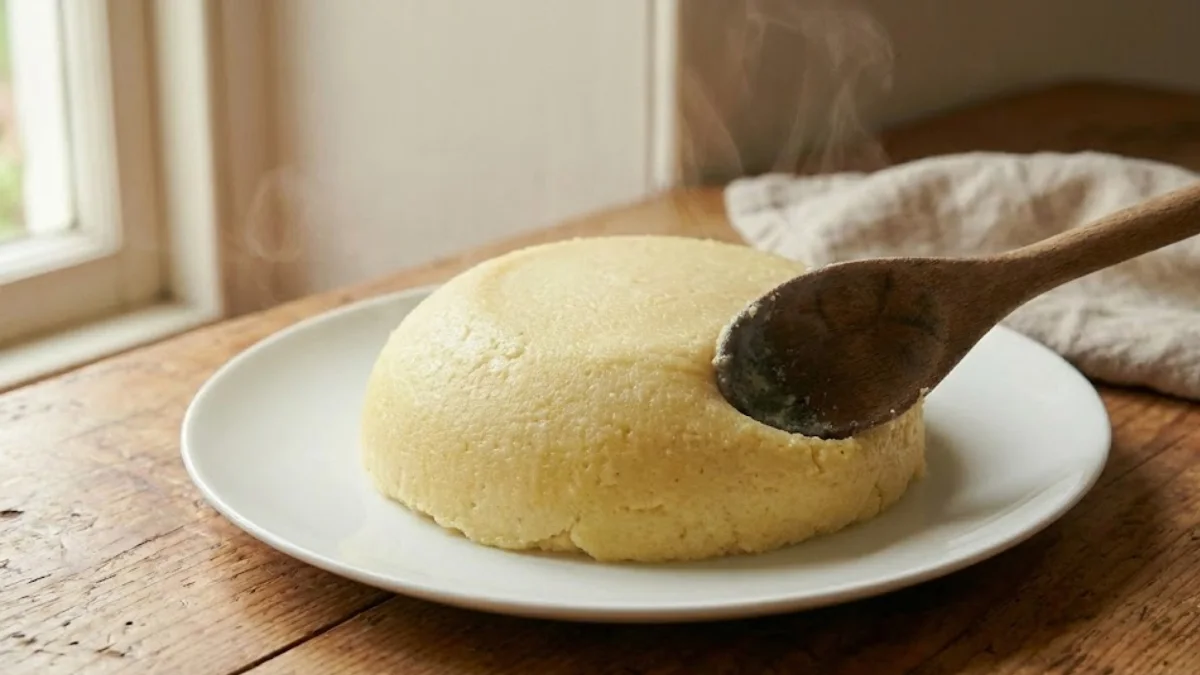
Ugali is a thick cornmeal porridge cooked until firm enough to hold its shape. It’s eaten by hand, rolled into a small ball, and used to scoop up vegetables, meat, or sauces. Because it’s filling, affordable, and versatile, ugali is a daily meal in many households.
Recipe ugali searches are popular because people want:
- An easy ugali recipe
- Perfect ugali texture (not too soft, not too hard)
- Clear steps for beginners
- Traditional cooking method explained simply
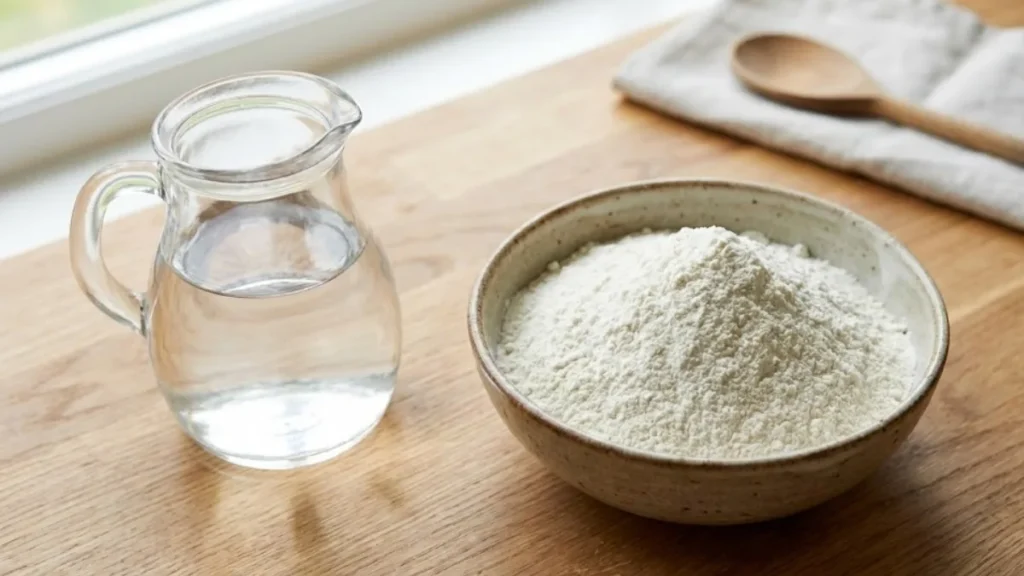
Ingredients for Recipe Ugali
One of the best things about ugali is how minimal it is.
| Ingredient | Quantity | Notes |
|---|---|---|
| Maize flour (cornmeal) | 1 cup | Use fine or medium grind for smooth ugali |
| Water | 2 cups | Use clean, fresh water |
Basic Ugali Ingredients
- 2 cups water
- 1 cup maize flour (cornmeal)
That’s it. No salt, no oil—just pure simplicity.
How to Make Ugali (Step-by-Step Recipe)
Step 1: Boil the Water
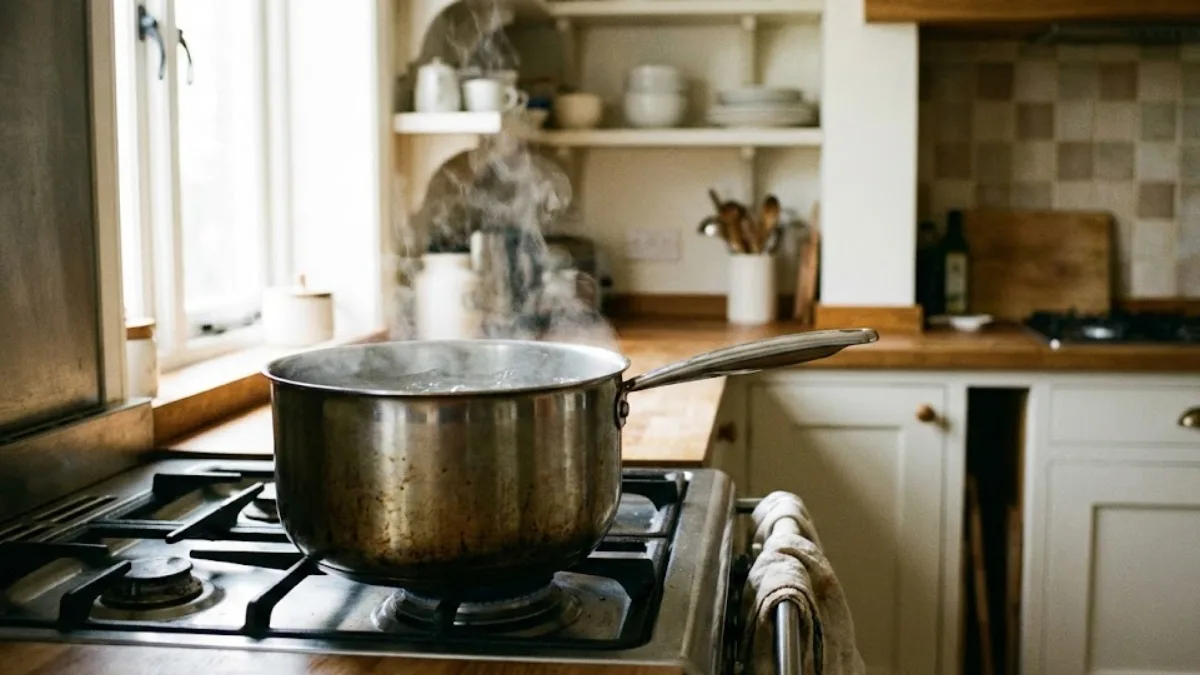
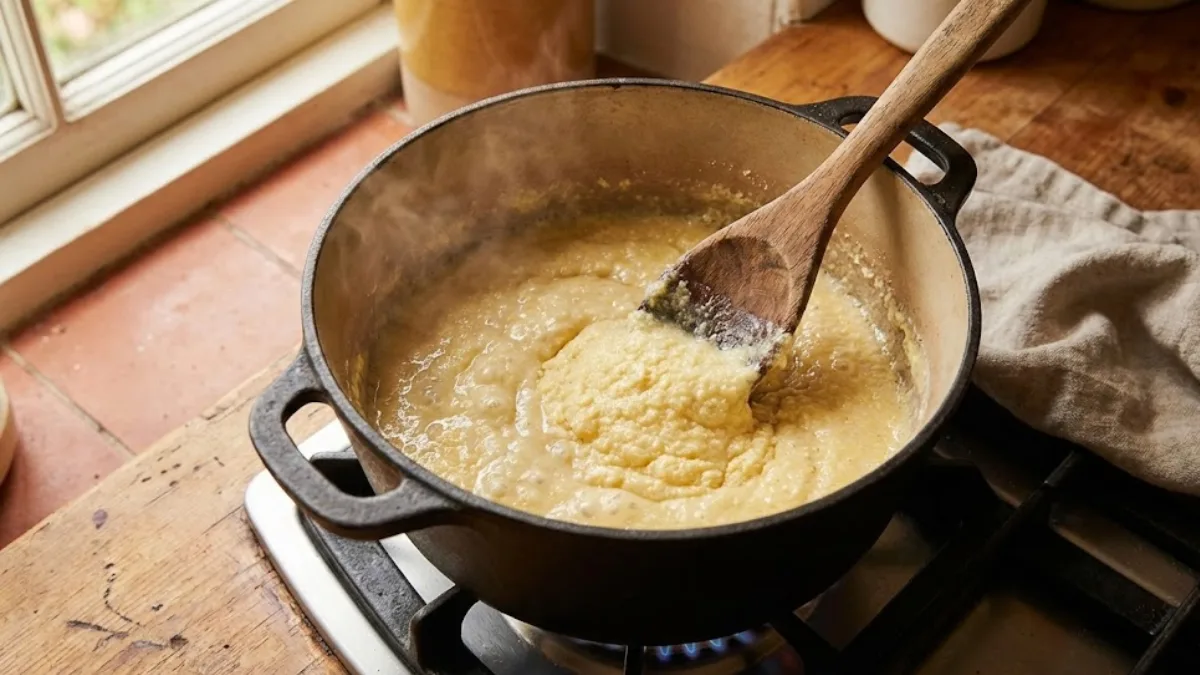
Pour water into a heavy pot and bring it to a rolling boil over medium-high heat.
Step 2: Add Maize Flour Gradually
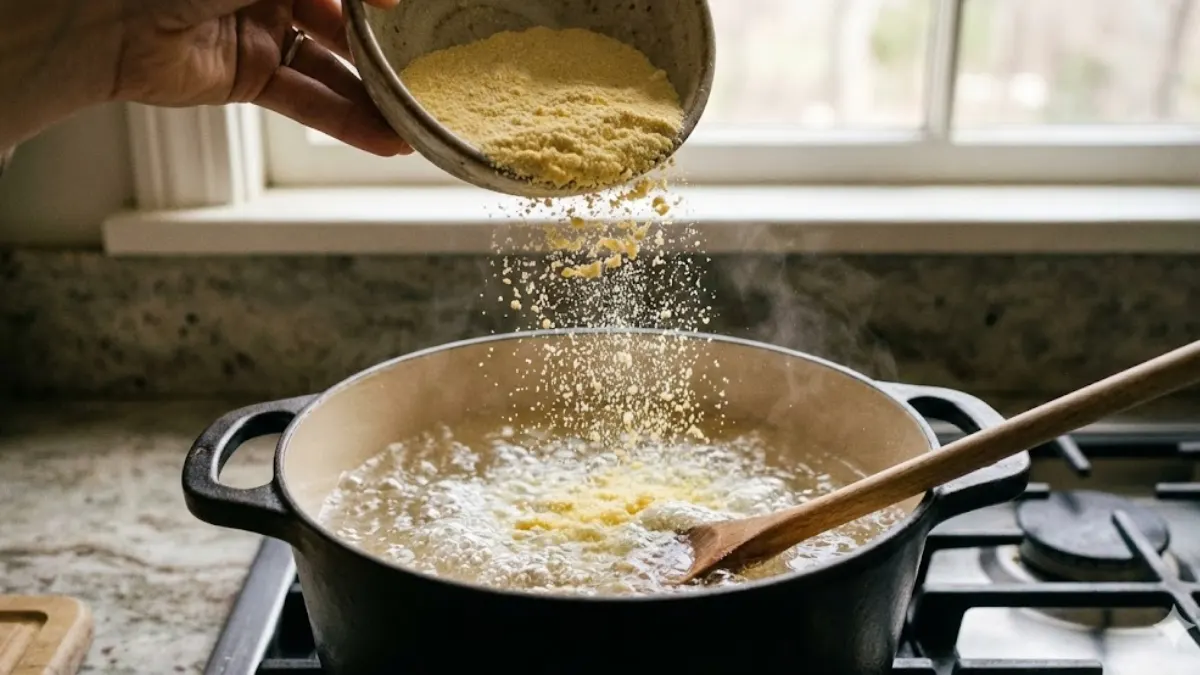
Reduce heat slightly and slowly sprinkle maize flour into the boiling water. Do not dump it all at once.
Step 3: Start Stirring Immediately
Use a strong wooden spoon and stir continuously to prevent lumps from forming.
Step 4: Let It Thicken
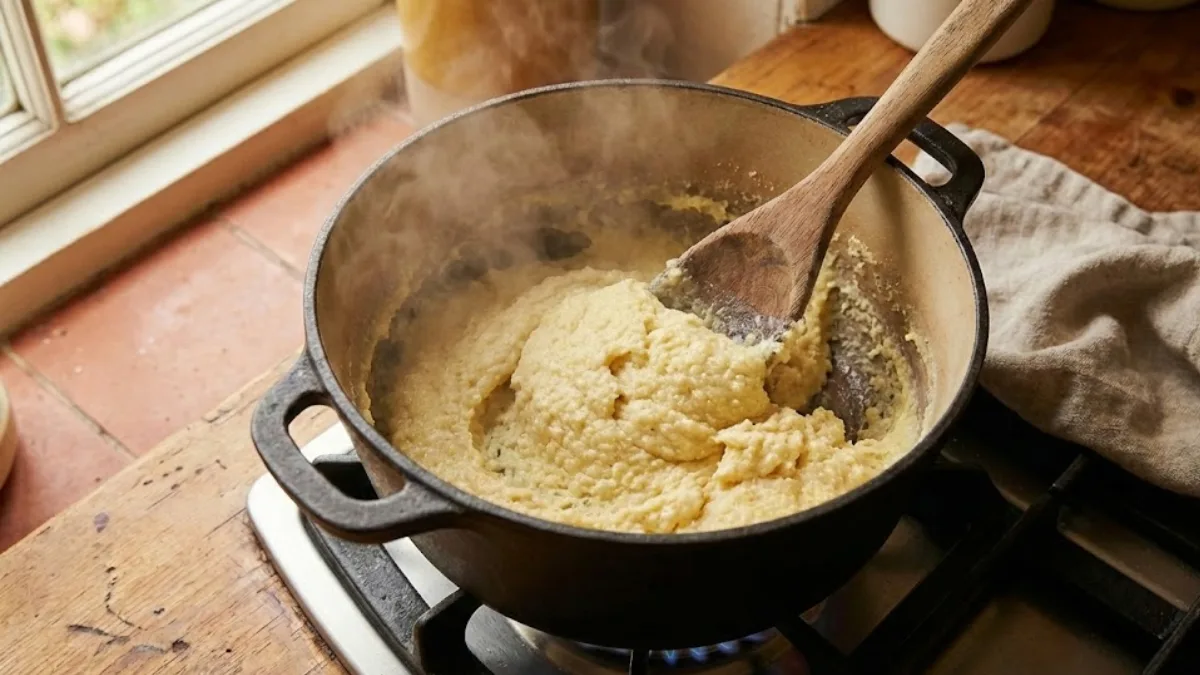
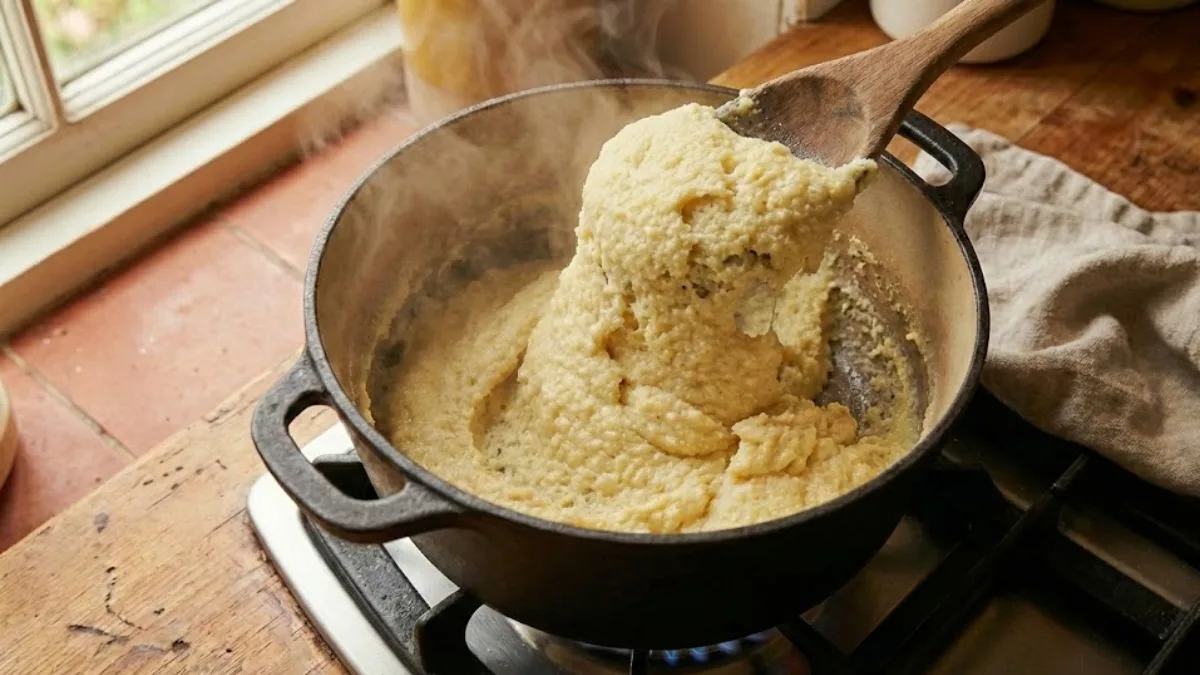
As you stir, the mixture will thicken quickly. Keep folding and pressing it against the sides of the pot.
Step 5: Add More Flour If Needed
If ugali feels too soft, add small amounts of maize flour and continue stirring.
Step 6: Cook Until Firm
Cook for 3–5 minutes until ugali pulls away from the sides of the pot and holds together.
Step 7: Shape the Ugali
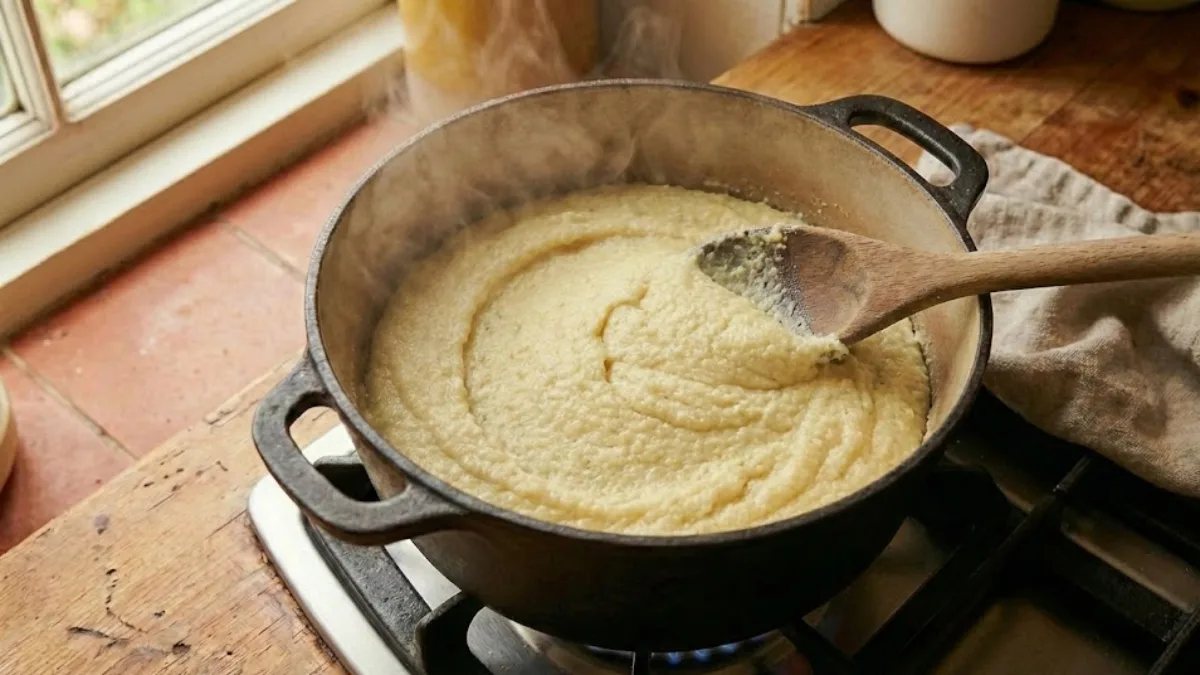
Smooth the surface with your spoon and allow it to cook for one more minute.
Step 8: Serve Hot
Invert the pot onto a plate or scoop the ugali out. Serve immediately.
Perfect Ugali Texture: Pro Tips
- Stir constantly to avoid lumps
- Use a heavy-bottom pot for even cooking
- Don’t rush—ugali needs steady heat
- The perfect ugali is firm, smooth, and not sticky
If your ugali is:
- Too soft → add more maize flour
- Too hard → sprinkle a little hot water and stir
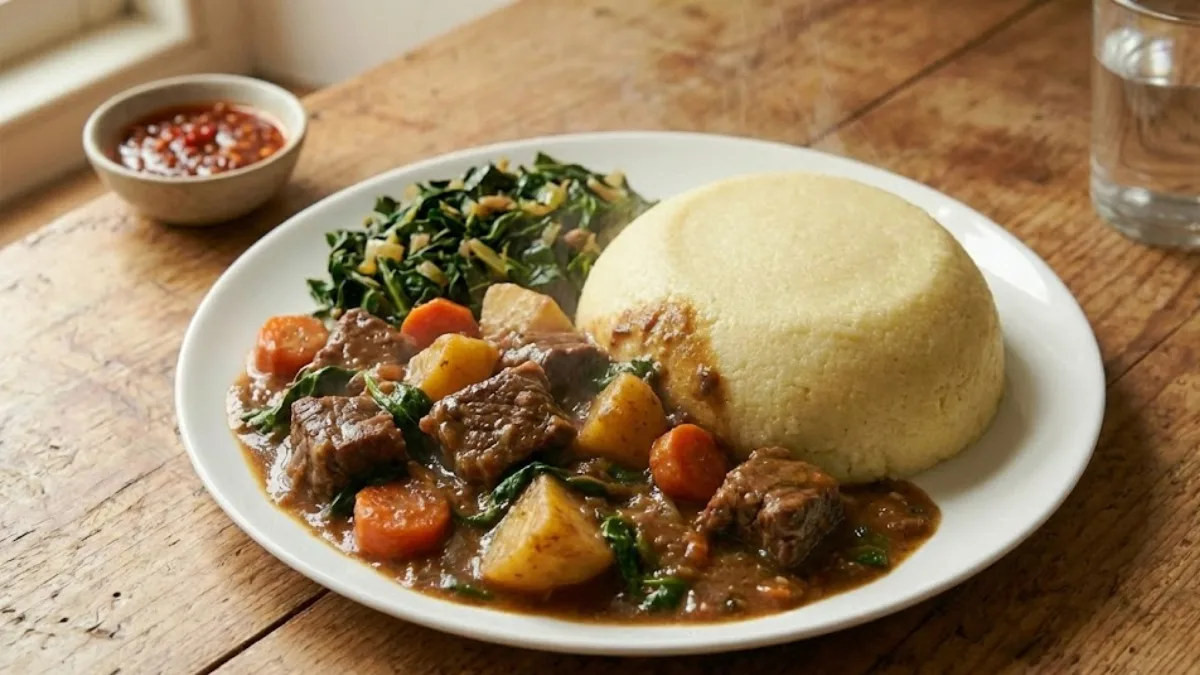
What to Eat With Ugali
Ugali pairs beautifully with many dishes, making it extremely versatile.
Popular foods served with ugali:
- Cooked leafy greens
- Stewed vegetables
- Beans or lentils
- Fish or meat stew
- Tomato-based sauces
Ugali acts like a neutral base, soaking up flavors from whatever you serve it with.
Why Recipe Ugali Is So Popular
People love ugali because it is:
- Affordable and filling
- Easy to make at home
- Naturally vegan and gluten-free (depending on cornmeal)
- Perfect for lunch or dinner
From busy weekdays to family meals, ugali fits every occasion.
Common Mistakes When Making Ugali
Avoid these beginner mistakes:
- Adding all flour at once
- Not stirring enough
- Using too much water
- Cooking on very high heat
Mastering ugali is all about patience and technique, not fancy ingredients.
Nutritional Value of Ugali
Ugali is rich in:
- Carbohydrates for energy
- Small amounts of fiber
- Naturally low fat
It’s best enjoyed with vegetables and protein for a balanced meal.
Recipe Ugali
Ingredients
Equipment
Method
- Pour water into a heavy-bottom pot and bring it to a rolling boil over medium-high heat.

- Reduce the heat slightly. Gradually sprinkle maize flour into the boiling water—do not add it all at once.
- Stir immediately using a wooden spoon to prevent lumps from forming.
- Continue stirring as the mixture thickens. Press and fold the ugali against the sides of the pot.
- If the ugali feels too soft, add a little more maize flour and keep stirring firmly.
- Cook for 3–5 minutes until the ugali becomes firm and pulls away from the sides of the pot.
- Smooth the top with the spoon, cover, and allow it to cook for one more minute on low heat.
- Remove from heat, shape the ugali, and serve hot with vegetables, stew, or sauce.
Notes
Recipe Ugali

- Always add maize flour slowly to avoid lumps
- Stir continuously for smooth texture
- Ugali should be firm but not dry
- Best served fresh and hot
Final Thoughts on Recipe Ugali
This recipe ugali guide proves that you don’t need complex ingredients to create a satisfying meal. With just maize flour, water, and the right technique, you can make authentic ugali at home anytime.
If you’re looking for a traditional ugali recipe, a beginner-friendly ugali guide, or simply the best way to cook ugali, this method delivers consistent, delicious results every time.
Content information Source:- https://mayuris-jikoni.com/2021/06/02/ugali-recipe/
Also Read:- How to Bake Spare Ribs Recipe in the Oven (Tender, Juicy & Fall-Off-the-Bone Every Time)
Frequently Asked Questions About Recipe Ugali
What is ugali made of?
Ugali is made using only two ingredients: maize flour (cornmeal) and water. It is cooked by gradually mixing the flour into boiling water until it becomes thick and firm.
How do you make ugali without lumps?
To make lump-free ugali, always add maize flour slowly into boiling water and stir continuously with a wooden spoon. Never add all the flour at once.
How long does ugali take to cook?
Ugali usually takes about 8–10 minutes to cook. It is ready when it becomes firm, smooth, and pulls away from the sides of the pot.
Is ugali the same as cornmeal porridge?
No. Ugali is much thicker and firmer than cornmeal porridge. It is designed to be shaped and eaten by hand rather than poured or spooned.
What should ugali feel like when it’s done?
Properly cooked ugali should be firm but not hard, smooth in texture, and able to hold its shape without sticking to the spoon.
Can I make ugali with yellow cornmeal?
Yes, ugali can be made with either white or yellow cornmeal. White maize flour is more traditional, while yellow cornmeal has a slightly richer flavor.
Is ugali healthy?
Ugali is a good source of carbohydrates and energy. When eaten with vegetables and protein, it becomes part of a balanced and nutritious meal.
Is ugali gluten-free?
Yes, ugali is naturally gluten-free when made with pure maize flour and water, making it suitable for gluten-sensitive diets.
Can ugali be reheated?
Yes. Ugali can be reheated by adding a small amount of water and warming it gently on the stove while stirring until soft.
What dishes go best with ugali?
Ugali pairs well with vegetables, beans, lentils, stews, fish, or meat dishes. It works as a base that absorbs flavors from side dishes.
