




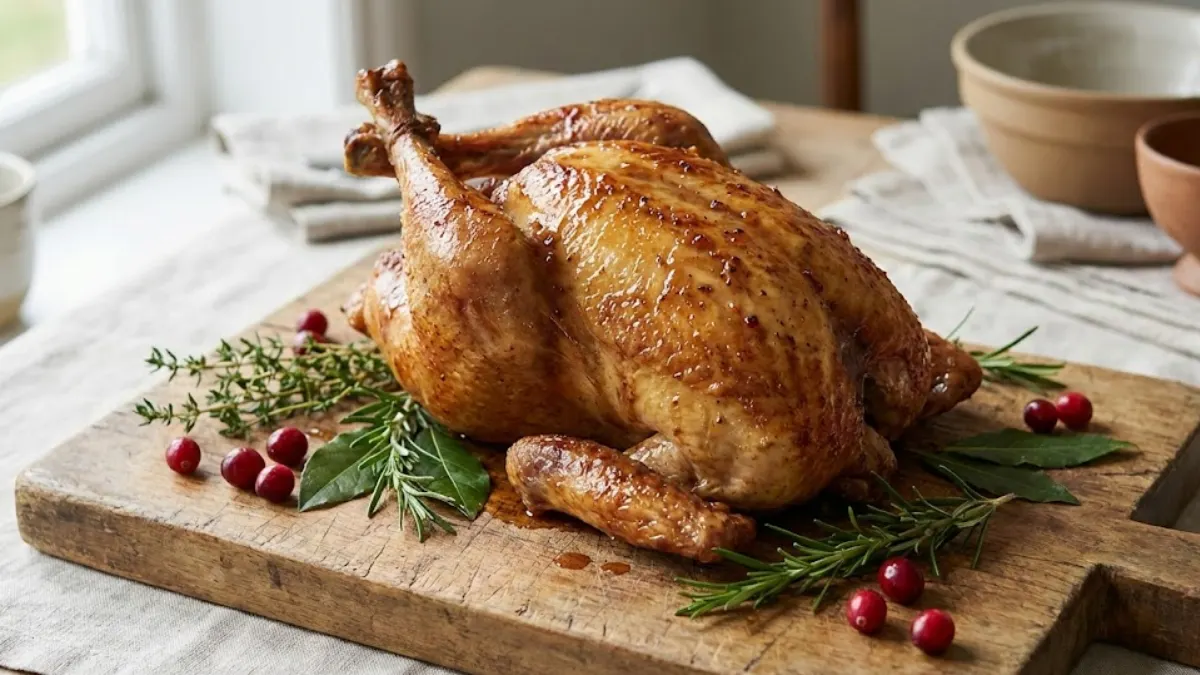
Cooking whole pheasant recipes at home can feel intimidating at first, but once you understand the bird and the right techniques, it becomes one of the most rewarding meals you can make. Pheasant is lean, flavorful, and deeply satisfying when cooked properly. Whether smoked, roasted, or slow-cooked, a whole pheasant delivers rustic elegance that instantly upgrades your dinner table.
In this guide, you’ll learn exactly how to cook whole pheasant, why certain methods work better than others, and how to avoid the dryness many people experience when cooking game birds for the first time.

What Makes Whole Pheasant Different From Chicken?
Pheasant is not just another type of poultry. Compared to chicken or turkey, pheasant meat is:
- Much leaner
- Slightly firmer in texture
- Mildly earthy and rich in flavor
Because pheasant has very little natural fat, it needs moisture-friendly cooking methods. That’s why most successful whole pheasant recipes rely on brining, basting, smoking, or slow cooking.
Once you respect this difference, pheasant becomes surprisingly easy to cook.
Why Cook Pheasant Whole Instead of Cut Pieces?
Cooking pheasant whole has several advantages:
- Better moisture retention – the bones and skin protect the meat
- Deeper flavor – slow cooking allows flavors to develop evenly
- Impressive presentation – perfect for holidays or special dinners
- Versatility – leftovers can be used in soups, sandwiches, or salads
Whole pheasant recipes also give you more control over doneness, especially when smoking or roasting.
The Most Popular Whole Pheasant Cooking Methods
1. Smoked Whole Pheasant (Best for Flavor)
Smoking is one of the best ways to cook a whole pheasant because it adds moisture and depth while cooking the bird gently.
Why smoking works so well:
- Low temperatures prevent drying
- Smoke adds natural richness
- Basting keeps the surface juicy
Basic smoking overview:
- Brine the pheasant overnight in salt and sugar water
- Pat dry and air-dry briefly to help smoke stick
- Smoke at low heat until the internal temperature reaches safe doneness
- Baste periodically with a sweet or buttery glaze
- Rest before carving
This method creates tender meat with lightly crisp skin and a balanced smoky flavor that doesn’t overpower the bird.
2. Roasted Whole Pheasant (Classic & Elegant)
Roasting is another favorite among whole pheasant recipes, especially for oven cooks.
Best roasting tips:
- Always brine first
- Cook at a moderate temperature
- Baste frequently with butter or pan juices
- Add aromatics like onion, garlic, and herbs
- Cover loosely if browning too fast
Many cooks wrap the pheasant breast with bacon or butter-soaked cloth during roasting to protect the lean meat. The result is golden skin and juicy slices that rival any holiday roast.
3. Slow-Cooked or Braised Whole Pheasant (Most Tender)
If tenderness is your priority, slow cooking is ideal.
Why it works:
- Moist heat breaks down muscle fibers
- Meat becomes fork-tender
- Great for older birds
Place the whole pheasant in a covered pot with stock, vegetables, and herbs. Cook slowly until the meat releases easily from the bone. This style is perfect for comforting, hearty meals.
Step-by-Step Guide to a Smoked Whole Pheasant Recipe
This overview explains why each step matters, helping beginners avoid common mistakes.
Step 1: Brining (Non-Negotiable)
Brining adds moisture and seasoning deep into the meat. Even a simple salt-sugar brine makes a huge difference.
Step 2: Drying the Skin
Letting the bird air-dry briefly helps smoke and seasoning adhere better, improving both flavor and texture.
Step 3: Low-Temperature Cooking
Pheasant benefits from slow heat. Rushing the process almost always results in dryness.
Step 4: Basting
Basting with butter, syrup, or oil adds surface moisture and enhances browning.
Step 5: Resting
Resting allows juices to redistribute, preventing dry slices.
Flavor Pairings That Work Best With Pheasant
Whole pheasant recipes shine when paired with:
- Root vegetables (potatoes, carrots, parsnips)
- Wild rice or herbed grains
- Light fruit glazes (maple, apple, berry)
- Fresh herbs like thyme, rosemary, and sage
- Creamy sauces or pan gravies
Avoid heavy spice blends that overpower the delicate meat.
Common Mistakes to Avoid When Cooking Whole Pheasant
- Skipping the brine
- Cooking at high heat
- Overcooking the breast meat
- Removing the skin before cooking
- Cutting immediately without resting
Avoiding these mistakes alone will dramatically improve your results.
Is Whole Pheasant Healthy?
Yes. Pheasant is:
- High in protein
- Lower in fat than most poultry
- Rich in iron and B vitamins
When cooked with minimal added fat, whole pheasant recipes fit well into balanced, high-protein diets.

Whole Pheasant Recipe
Ingredients
Equipment
Method
Prepare the Brine
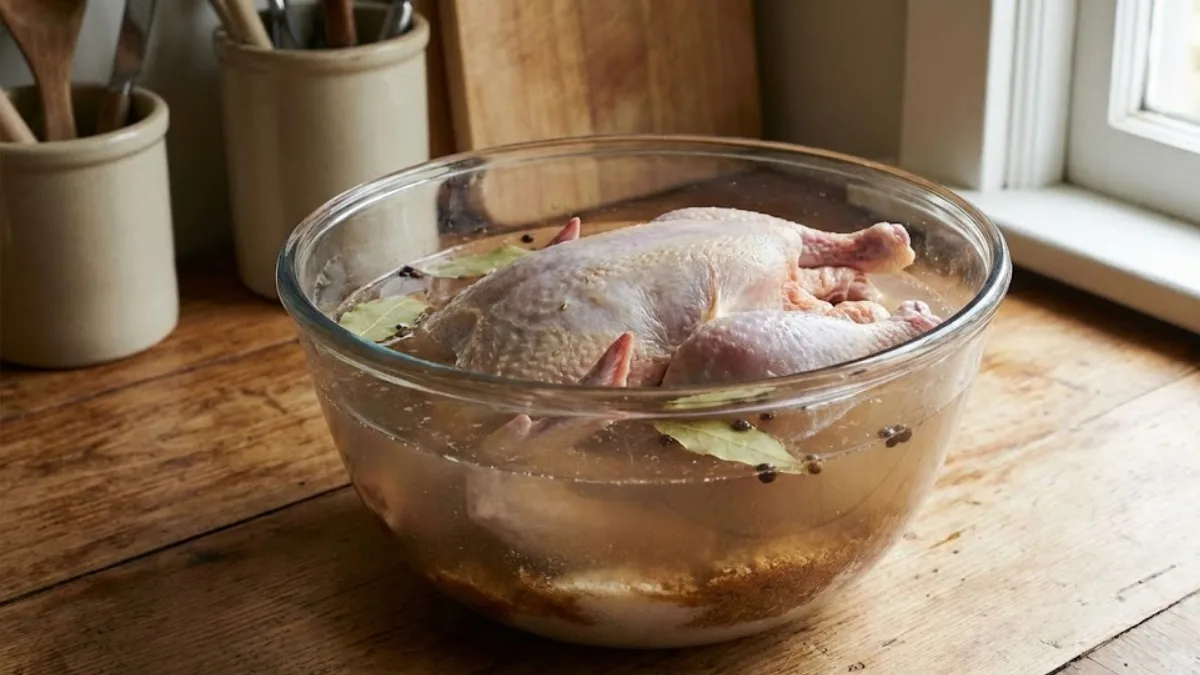
In a large bowl, mix water, salt, and brown sugar until fully dissolved.This brine helps the pheasant retain moisture during cooking, which is essential because pheasant meat is very lean.
Brine the Whole Pheasant
Submerge the whole pheasant completely in the brine. Cover and refrigerate for 8 to 18 hours.Longer brining results in juicier meat, especially in the breast area.Dry the Bird
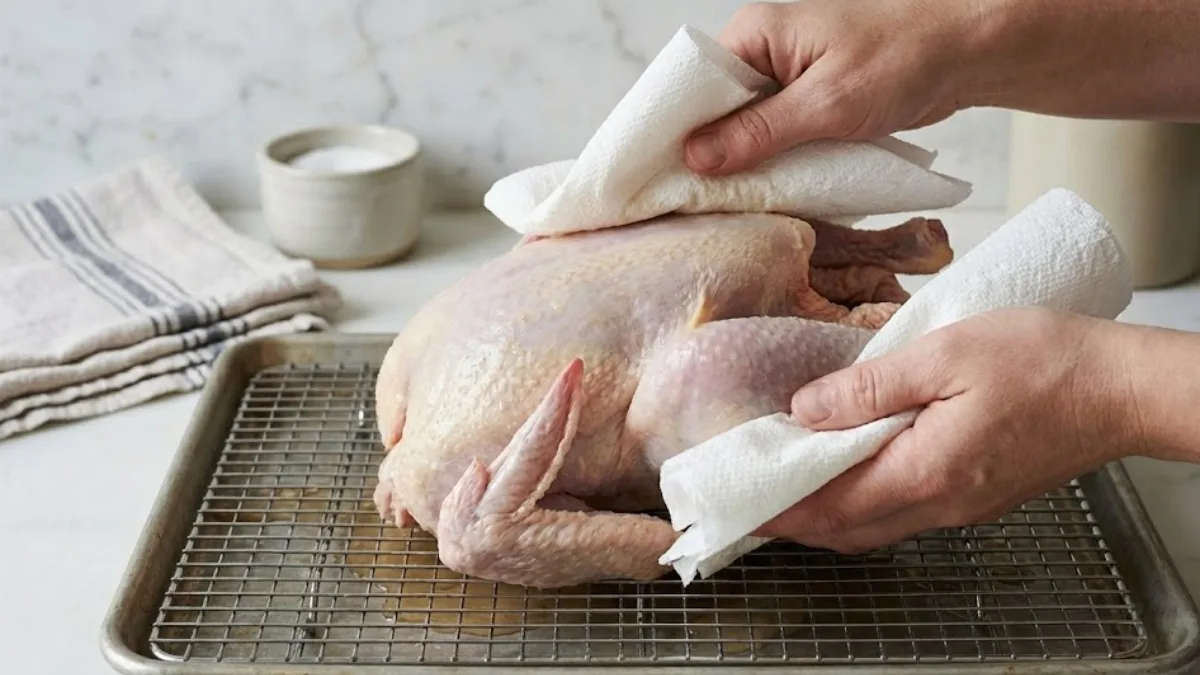
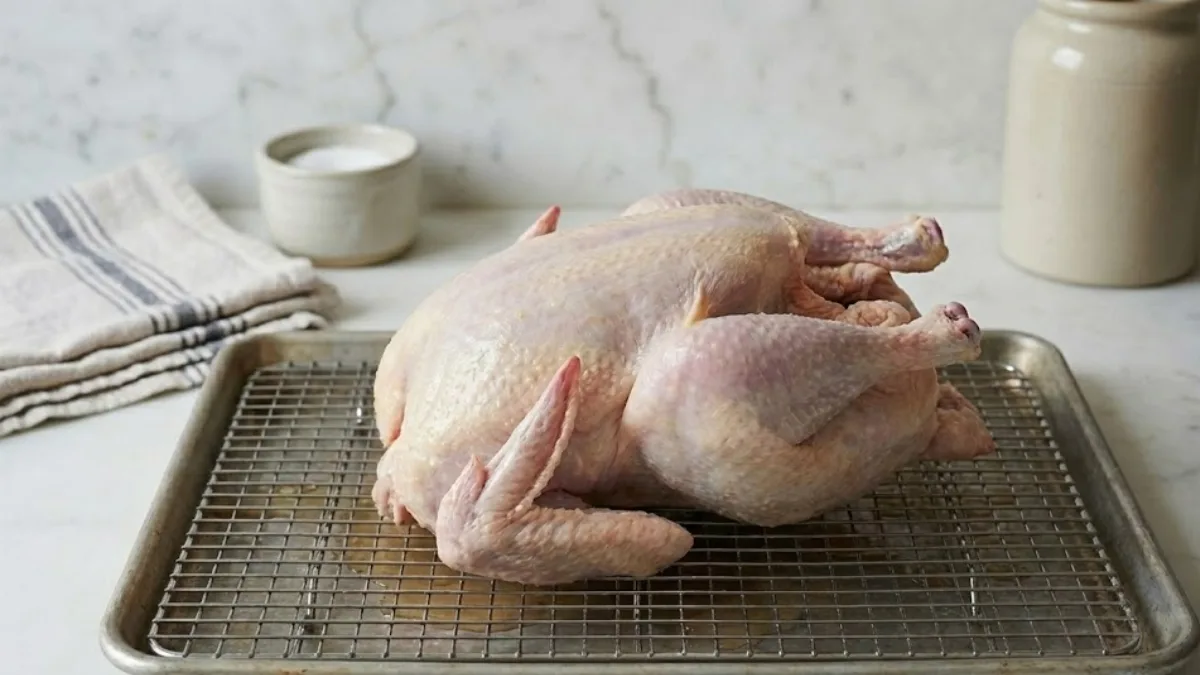
Remove the pheasant from the brine and pat it completely dry with paper towels.Let it air-dry at room temperature for 30–60 minutes. This step helps smoke and seasoning stick better to the skin.Season the Pheasant
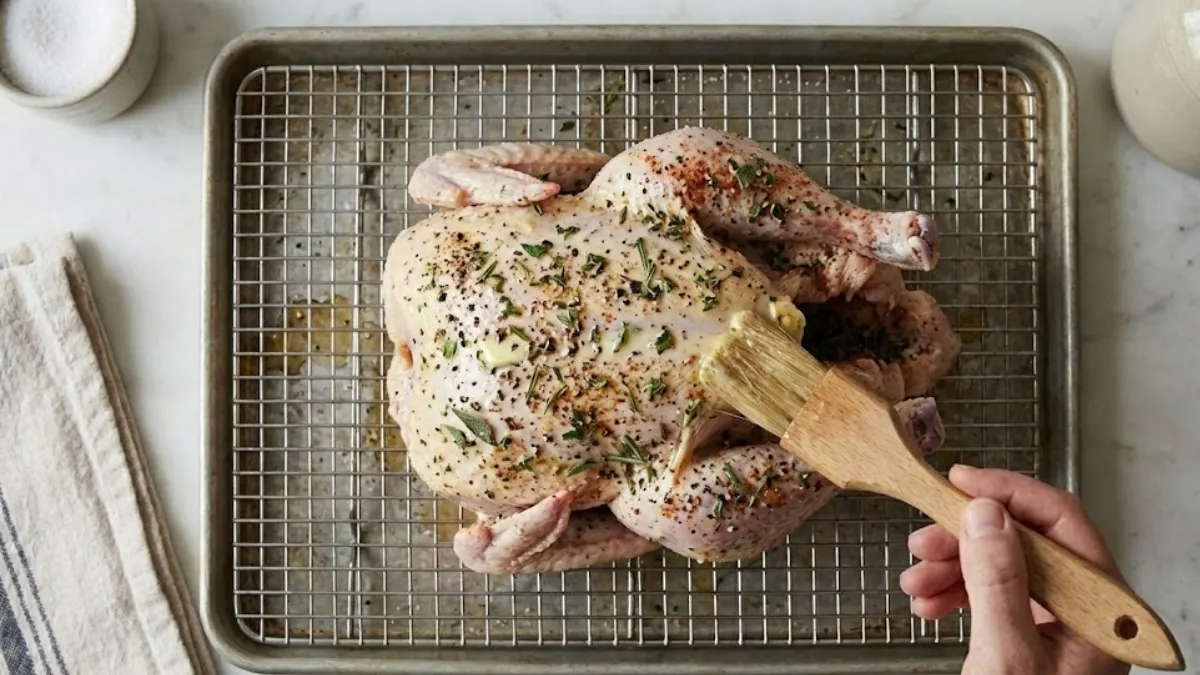
Brush the pheasant lightly with melted butter or oil.Season evenly with black pepper, garlic powder, and dried herbs.Keep seasoning simple so the natural flavor of the pheasant shines.Preheat the Smoker
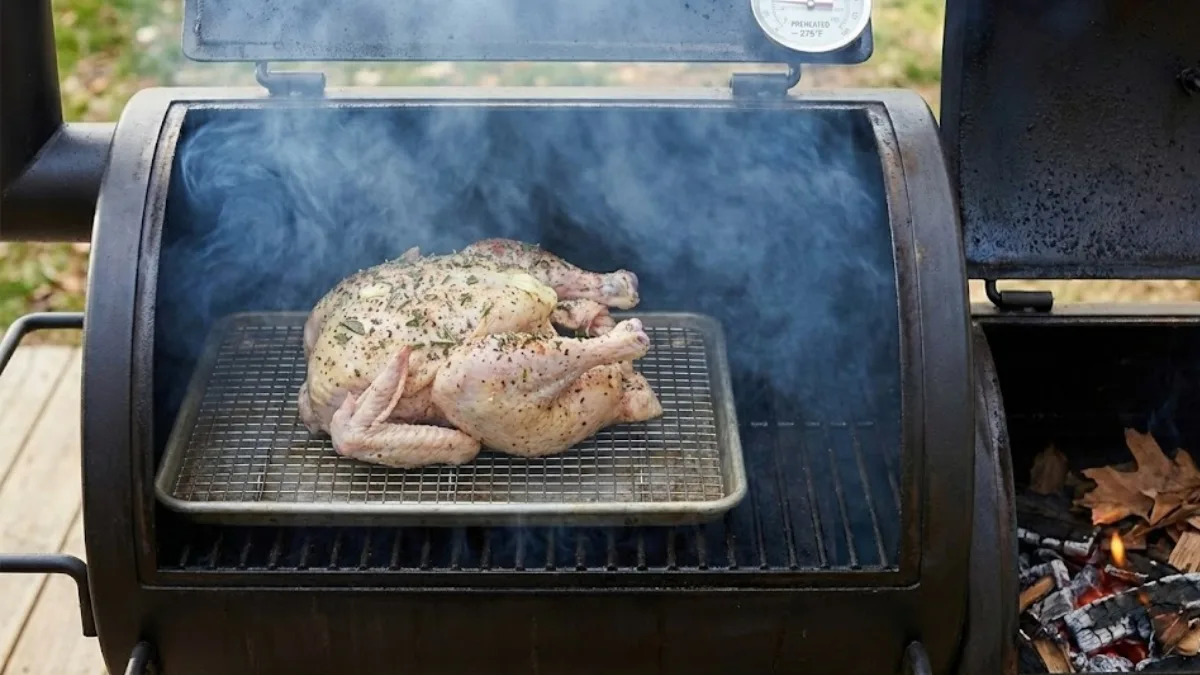
Preheat your smoker to 225–250°F (low and slow).Use mild wood like apple, maple, or pecan for balanced smoke flavor.Smoke the Whole Pheasant
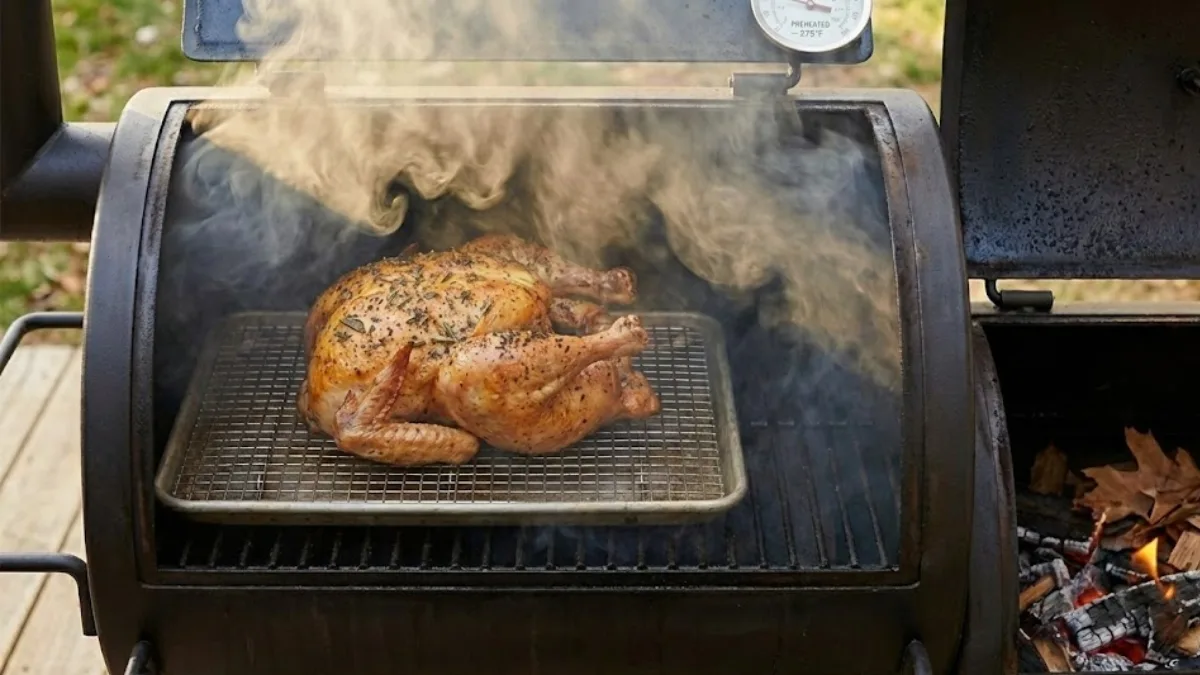
Place the pheasant breast-side up in the smoker.Smoke uncovered for 2.5 to 4 hours, depending on size.After the first hour, lightly baste with maple syrup or honey every 30 minutes if using. This adds flavor and helps prevent surface dryness.Check Internal Temperature
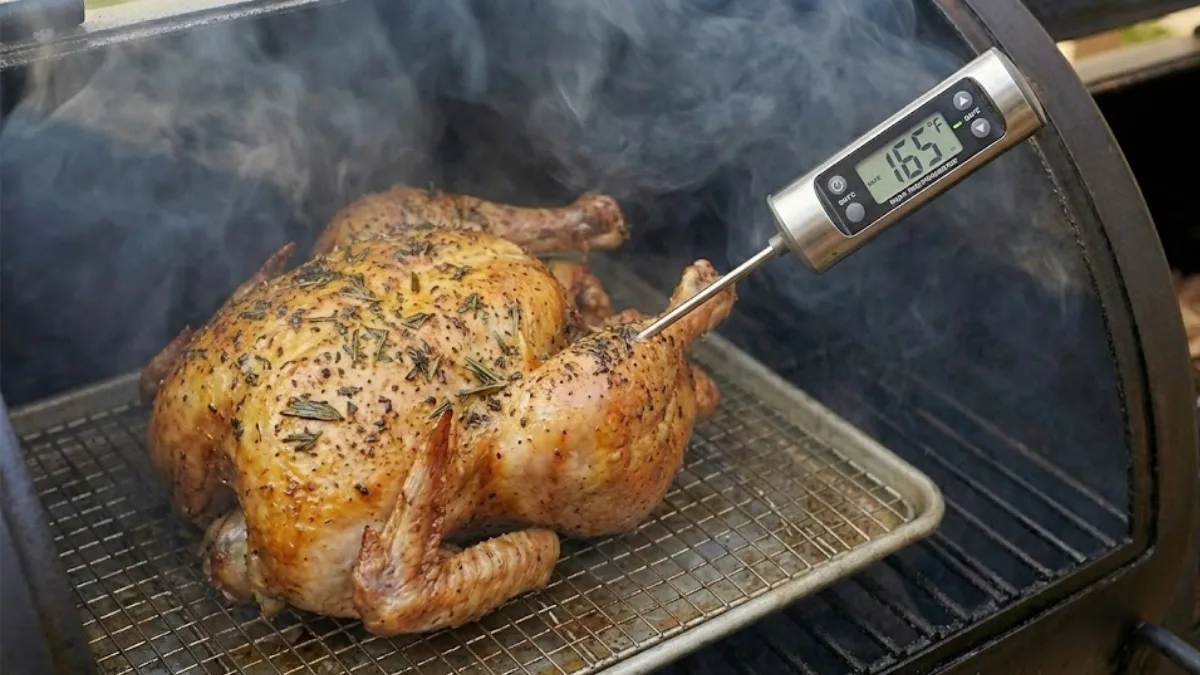
Insert a thermometer into the thickest part of the thigh.The pheasant is done when it reaches 160–165°F.Avoid overcooking — this is the most common reason pheasant turns dry.Rest Before Serving
Remove the pheasant from the smoker and loosely tent with foil.Let it rest for 15–20 minutes before carving.Resting allows juices to redistribute, keeping the meat moist.
Video
Notes

Whole Pheasant Recipe
- Brining is essential: Pheasant is much leaner than chicken, so skipping the brine often results in dry meat. Even a simple salt-and-sugar brine greatly improves moisture and flavor.
- Keep the skin on: Always cook whole pheasant with the skin intact. The skin acts as a natural barrier that protects the meat and helps retain juices during smoking or roasting.
- Low and slow cooking works best: Avoid high heat. Cooking at lower temperatures allows the meat to cook evenly without drying out, especially in the breast area.
- Do not overcook: Remove the pheasant once the internal temperature reaches 160–165°F in the thigh. Overcooking is the most common mistake and leads to tough meat.
- Rest before carving: Let the pheasant rest for at least 15–20 minutes after cooking. This step allows the juices to redistribute, resulting in moist and tender slices.
- Wood choice matters (for smoking): Mild woods like apple, maple, or pecan provide balanced flavor without overpowering the pheasant’s natural taste.
- Oven-friendly option: If you don’t have a smoker, this recipe works well in the oven at moderate heat with regular basting to maintain moisture.
- Leftover tip: Leftover pheasant is excellent for sandwiches, soups, salads, and pasta dishes the next day.
Final Thoughts
Cooking a whole pheasant is not just about making dinner — it’s about mastering a traditional, rewarding skill. With the right preparation and cooking method, pheasant becomes juicy, flavorful, and unforgettable.
Whether you choose smoking, roasting, or slow cooking, whole pheasant recipes offer a unique experience that stands out from everyday poultry dishes. Once you try it the right way, it’s a meal you’ll want to make again and again.
Frequently Asked Questions About Whole Pheasant Recipes
What is the best way to cook a whole pheasant?
The best way to cook a whole pheasant is using low and slow methods such as smoking, roasting at moderate heat, or slow cooking. Because pheasant is lean, methods that add moisture like brining, basting, or cooking with broth help keep the meat juicy and tender.
Should I brine a whole pheasant before cooking?
Yes, brining is highly recommended for whole pheasant recipes. A simple salt-and-sugar brine helps the meat retain moisture, enhances flavor, and prevents dryness during cooking. Brining for 8–18 hours can make a noticeable difference.
How long does it take to cook a whole pheasant?
Cooking time depends on the method:
Smoking: 2.5 to 4 hours at low temperature
Roasting: 60 to 90 minutes in the oven
Slow cooking: 6 to 8 hours on low
Always rely on internal temperature rather than time alone.
What internal temperature should whole pheasant reach?
Whole pheasant is safely cooked when the thickest part of the thigh reaches 160–165°F (71–74°C). Let the bird rest after cooking, as the temperature will rise slightly and the juices will redistribute.
Why does pheasant dry out so easily?
Pheasant dries out because it contains very little fat compared to chicken or turkey. High heat, lack of brining, or overcooking are the most common reasons pheasant turns dry. Cooking gently and adding moisture solves this problem.
Can I cook a whole pheasant in the oven?
Yes, whole pheasant can be cooked in the oven very successfully. For best results:
Brine first
Roast at moderate heat
Baste frequently with butter or pan juices
Consider covering the breast with bacon or foil to protect it
Is smoked whole pheasant better than roasted?
Smoked whole pheasant offers deeper flavor and excellent moisture retention, while roasted pheasant delivers a more traditional, crisp-skinned result. Both are excellent your choice depends on whether you prefer smoky or classic flavors.
Do you cook pheasant with the skin on?
Yes, cooking pheasant with the skin on is strongly recommended. The skin protects the lean meat from drying out and adds flavor. Removing the skin before cooking often leads to dry results.
What does whole pheasant recipes taste like?
Pheasant has a mild, slightly earthy flavor that’s richer than chicken but not overpowering. When cooked properly, it’s tender, savory, and pairs well with herbs, butter, and light sweet glazes.
What are the best side dishes for whole pheasant recipes?
Whole pheasant pairs well with:
Roasted root vegetables
Mashed or baked potatoes
Wild rice or herb rice
Steamed greens
Light fruit sauces or gravies
These sides complement the bird without overwhelming its flavor.
Can beginners cook whole pheasant recipes successfully?
Absolutely. Beginners can achieve great results by following three rules: brine the bird, cook it slowly, and don’t overcook it. Whole pheasant recipes are forgiving when moisture is prioritized.
Is whole pheasant healthy to eat?
Yes, pheasant is a healthy protein source. It’s low in fat, high in protein, and contains important nutrients like iron and B vitamins. Cooking methods like roasting or smoking keep it nutritious and flavorful.
Content information Source;- https://www.bradleysmoker.com/blogs/recipes-game-lamb/smoked-whole-pheasant-recipe?srsltid=AfmBOorfB9HpTYUzZAkr6sOgxXv1pW5kr9ykPgdidtzLXwcxLlq0fsDC
Also Read:- Moroccan Meatballs Recipe – Juicy, Spiced & Simmered in Rich Tomato Sauce


