Go Back
Smoked whole pheasant resting on cutting board before carving

Whole Pheasant Recipe

This whole pheasant recipe is designed to keep the meat moist, flavorful, and tender — something many people struggle with when cooking pheasant for the first time. By brining the bird and cooking it low and slow, you’ll get restaurant-quality results at home.
Prep Time 20 minutes
Cook Time 4 hours
Total Time 4 hours 20 minutes
Servings: 4
Course: main dish
Cuisine: Game / Rustic
Calories: 320

Ingredients
  

  • 1 whole pheasant (fully cleaned, skin on)
  • 4 cups water
  • ¼ cup kosher salt
  • ¼ cup brown sugar
  • 2 tbsp melted butter or oil
  • 2 tbsp maple syrup or honey (optional, for basting)
  • 1 tsp black pepper
  • 1 tsp garlic powder
  • 1 tsp dried thyme or rosemary

Equipment

  • Smoker or grill with lid
  • Meat thermometer
  • Large bowl or container (for brining)
  • Paper towels
  • Basting brush

Method
 

  1. Prepare the Brine

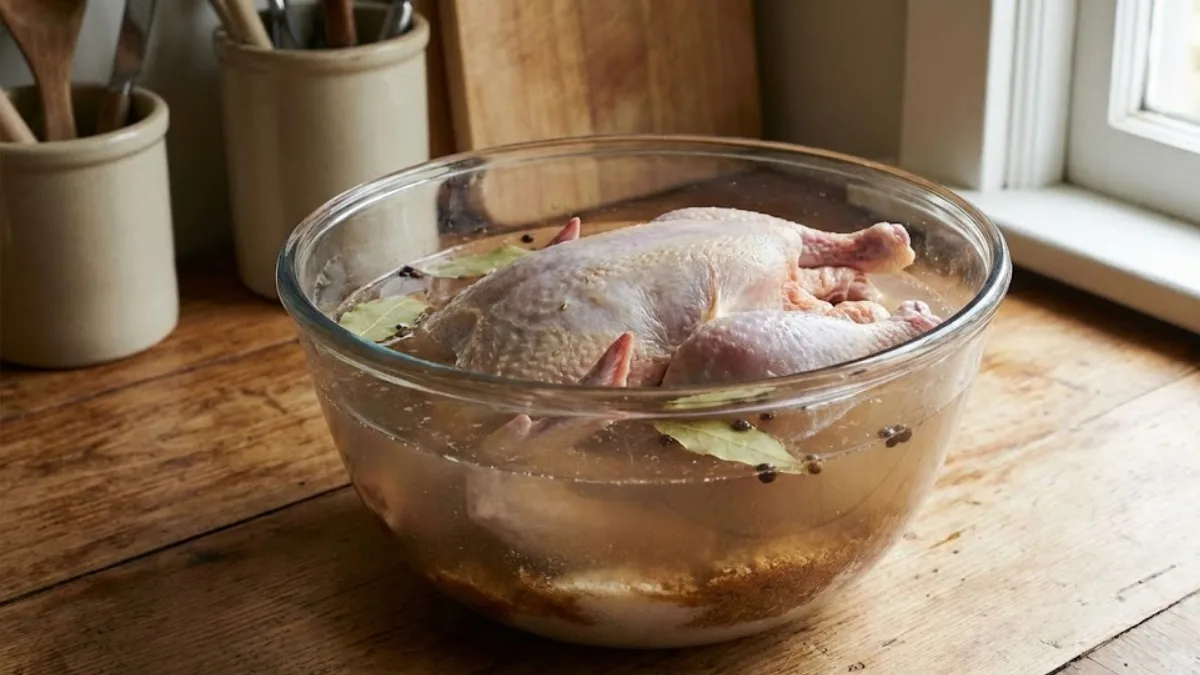
    In a large bowl, mix water, salt, and brown sugar until fully dissolved.This brine helps the pheasant retain moisture during cooking, which is essential because pheasant meat is very lean.
    Whole pheasant submerged in brine made with salt and brown sugar before cooking
  2. Brine the Whole Pheasant

    Submerge the whole pheasant completely in the brine. Cover and refrigerate for 8 to 18 hours.Longer brining results in juicier meat, especially in the breast area.
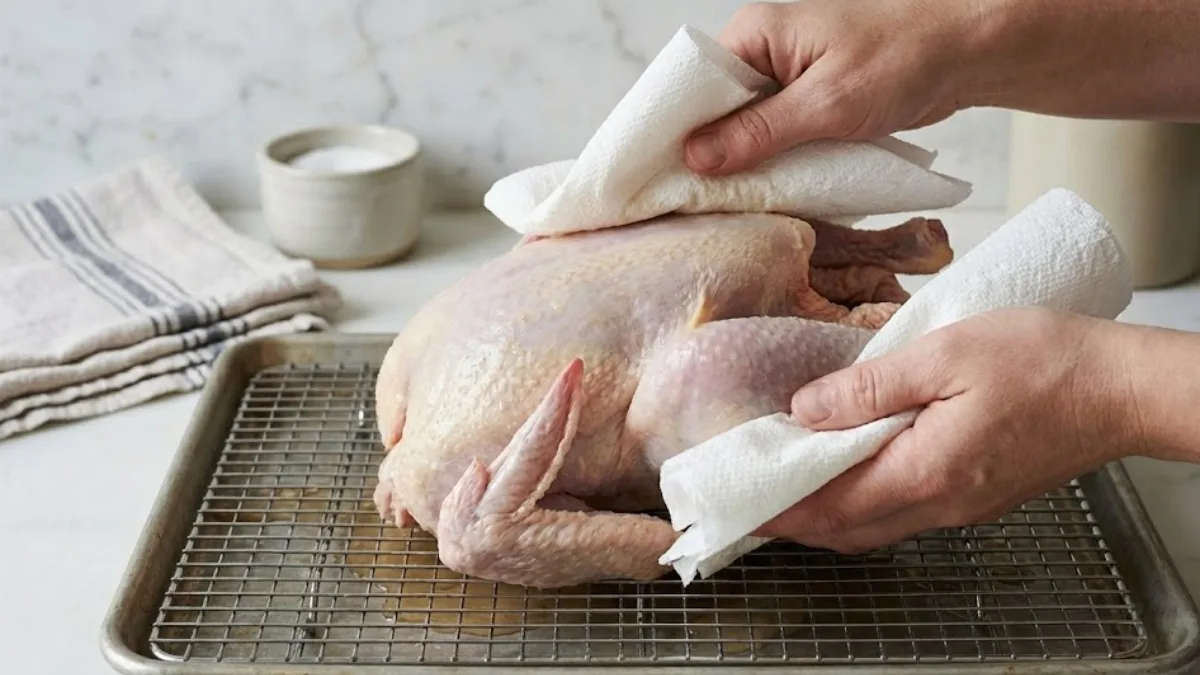
    Brined whole pheasant being patted dry with paper towels
  3. Dry the Bird

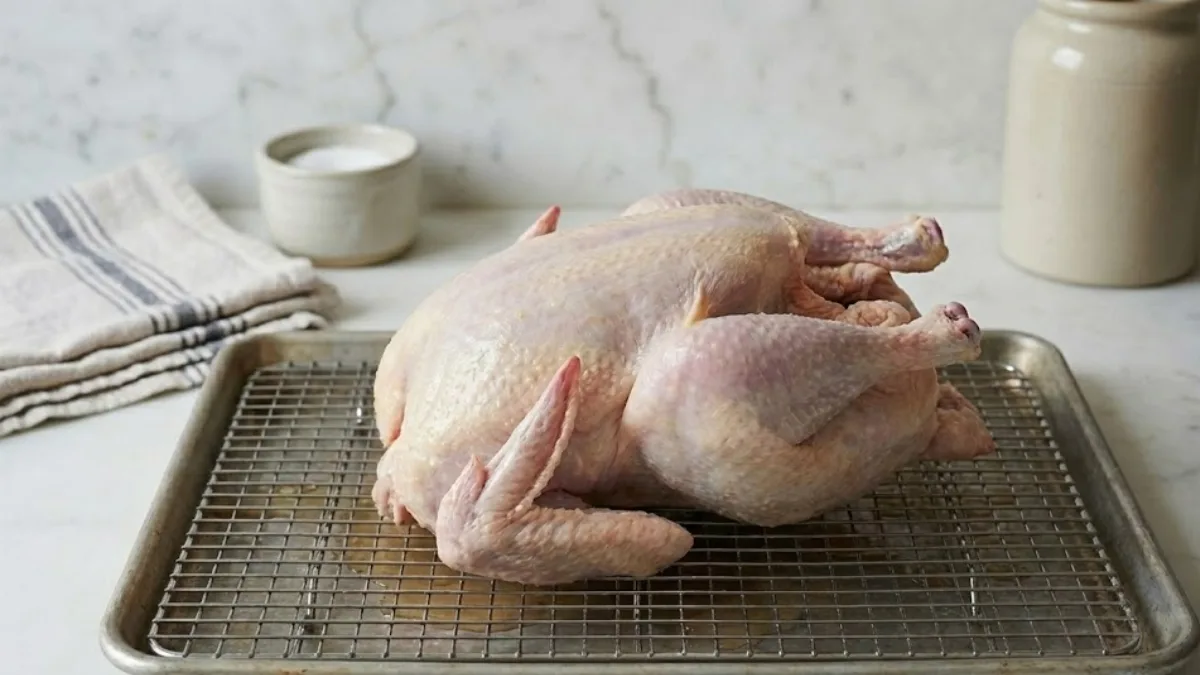
    Remove the pheasant from the brine and pat it completely dry with paper towels.Let it air-dry at room temperature for 30–60 minutes. This step helps smoke and seasoning stick better to the skin.
    Whole pheasant resting uncovered on a rack to air dry before cooking
  4. Season the Pheasant

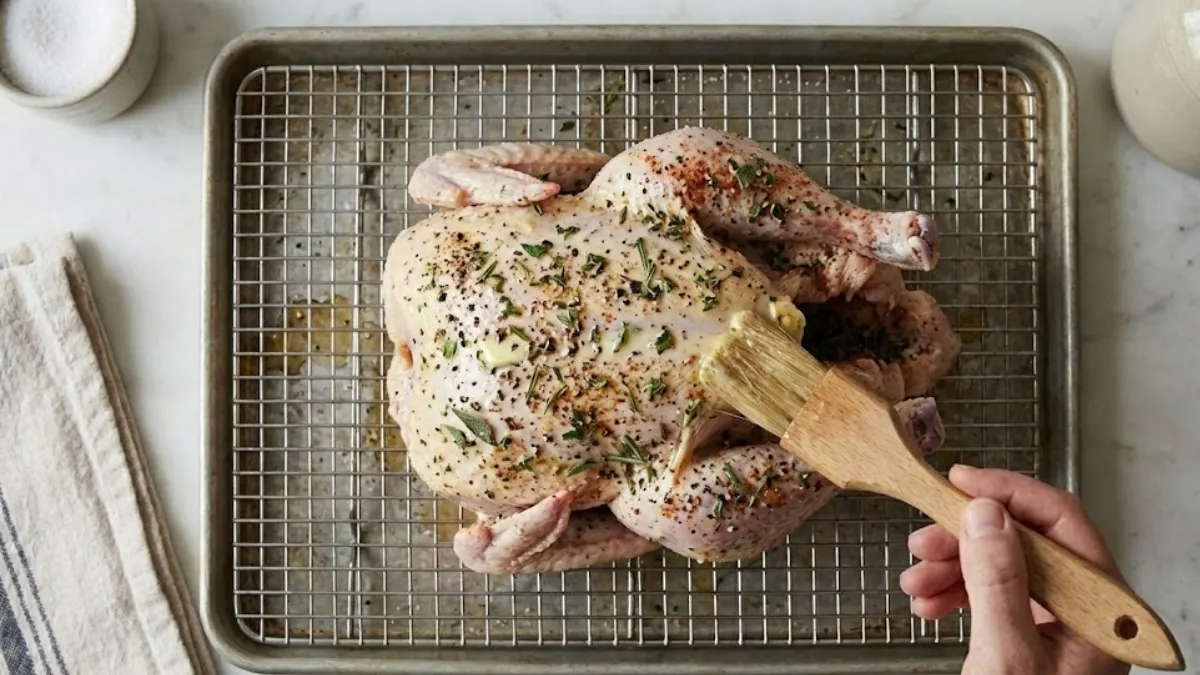
    Brush the pheasant lightly with melted butter or oil.Season evenly with black pepper, garlic powder, and dried herbs.Keep seasoning simple so the natural flavor of the pheasant shines.
    Whole pheasant brushed with butter and seasoned with herbs and spices
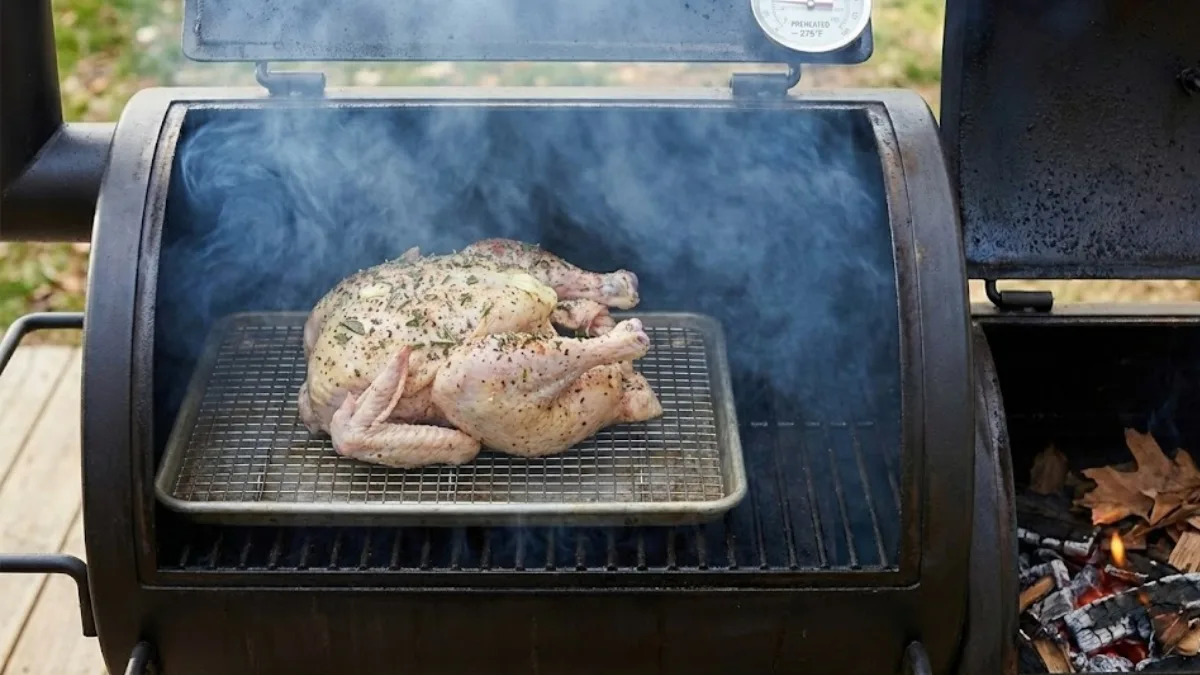
  5. Preheat the Smoker

    Preheat your smoker to 225–250°F (low and slow).Use mild wood like apple, maple, or pecan for balanced smoke flavor.
    Smoker preheating with light smoke and wood chips ready for cooking
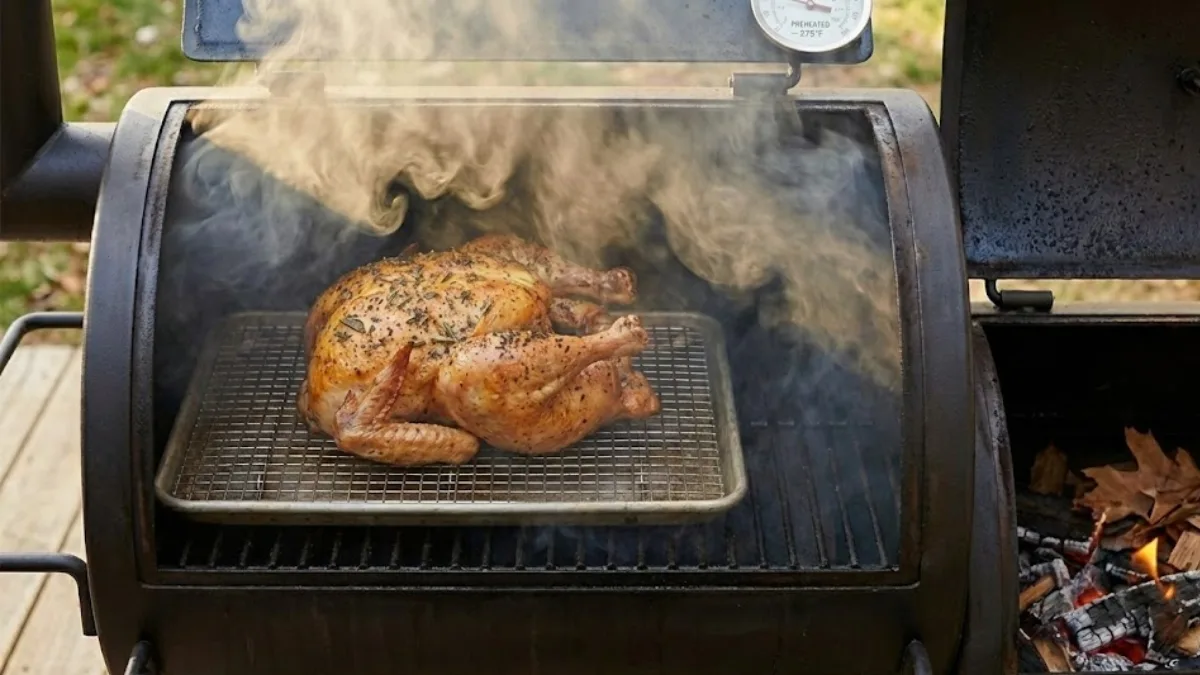
  6. Smoke the Whole Pheasant

    Place the pheasant breast-side up in the smoker.Smoke uncovered for 2.5 to 4 hours, depending on size.
    After the first hour, lightly baste with maple syrup or honey every 30 minutes if using. This adds flavor and helps prevent surface dryness.
    Whole pheasant smoking inside a smoker with golden skin forming
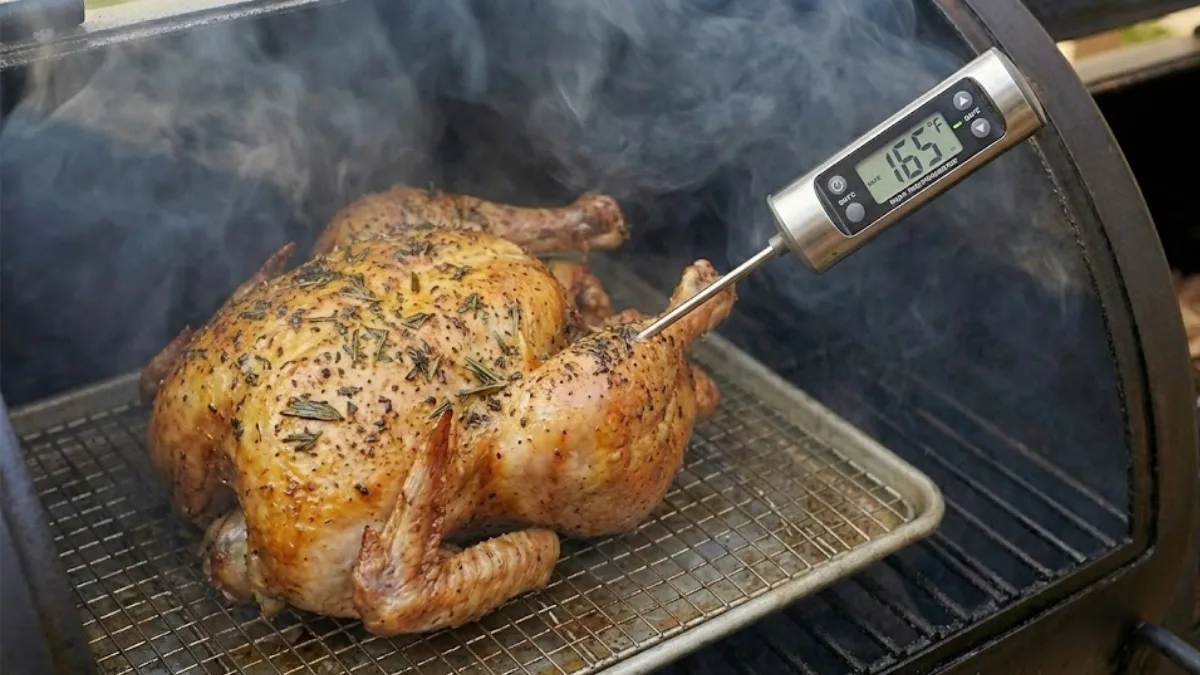
  7. Check Internal Temperature

    Insert a thermometer into the thickest part of the thigh.The pheasant is done when it reaches 160–165°F.Avoid overcooking — this is the most common reason pheasant turns dry.
    Meat thermometer checking internal temperature of smoked whole pheasant
  8. Rest Before Serving

    Remove the pheasant from the smoker and loosely tent with foil.Let it rest for 15–20 minutes before carving.Resting allows juices to redistribute, keeping the meat moist.
    Smoked whole pheasant resting on cutting board before carving

Video

Notes

Smoked whole pheasant resting on cutting board before carving
Resting the pheasant allows juices to redistribute for moist, tender meat.

Whole Pheasant Recipe

  • Brining is essential: Pheasant is much leaner than chicken, so skipping the brine often results in dry meat. Even a simple salt-and-sugar brine greatly improves moisture and flavor.
  • Keep the skin on: Always cook whole pheasant with the skin intact. The skin acts as a natural barrier that protects the meat and helps retain juices during smoking or roasting.
  • Low and slow cooking works best: Avoid high heat. Cooking at lower temperatures allows the meat to cook evenly without drying out, especially in the breast area.
  • Do not overcook: Remove the pheasant once the internal temperature reaches 160–165°F in the thigh. Overcooking is the most common mistake and leads to tough meat.
  • Rest before carving: Let the pheasant rest for at least 15–20 minutes after cooking. This step allows the juices to redistribute, resulting in moist and tender slices.
  • Wood choice matters (for smoking): Mild woods like apple, maple, or pecan provide balanced flavor without overpowering the pheasant’s natural taste.
  • Oven-friendly option: If you don’t have a smoker, this recipe works well in the oven at moderate heat with regular basting to maintain moisture.
  • Leftover tip: Leftover pheasant is excellent for sandwiches, soups, salads, and pasta dishes the next day.
QR Code linking back to recipe