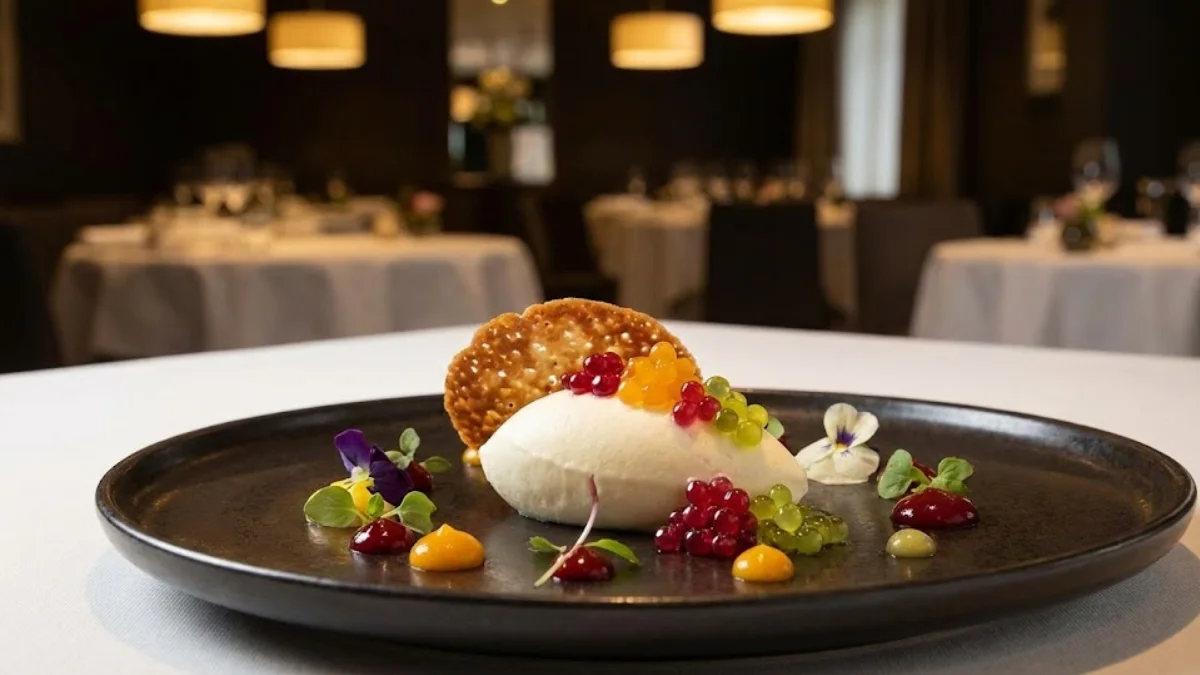
Ingredients
Equipment
Method
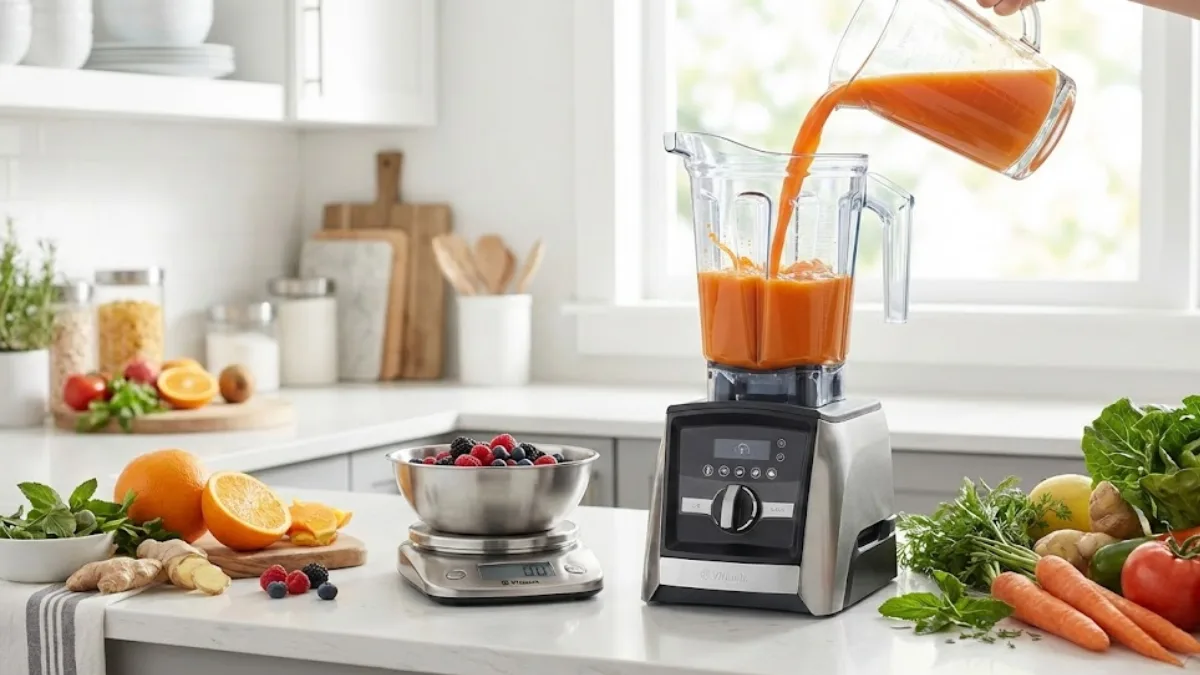
- Prepare the Fruit Base: Pour the fruit juice into a blender. If the juice is acidic (like citrus), add sugar to balance flavor. Strain the juice to remove pulp for smoother spheres.
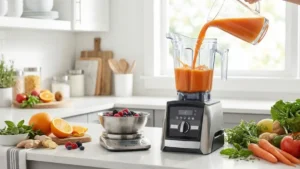
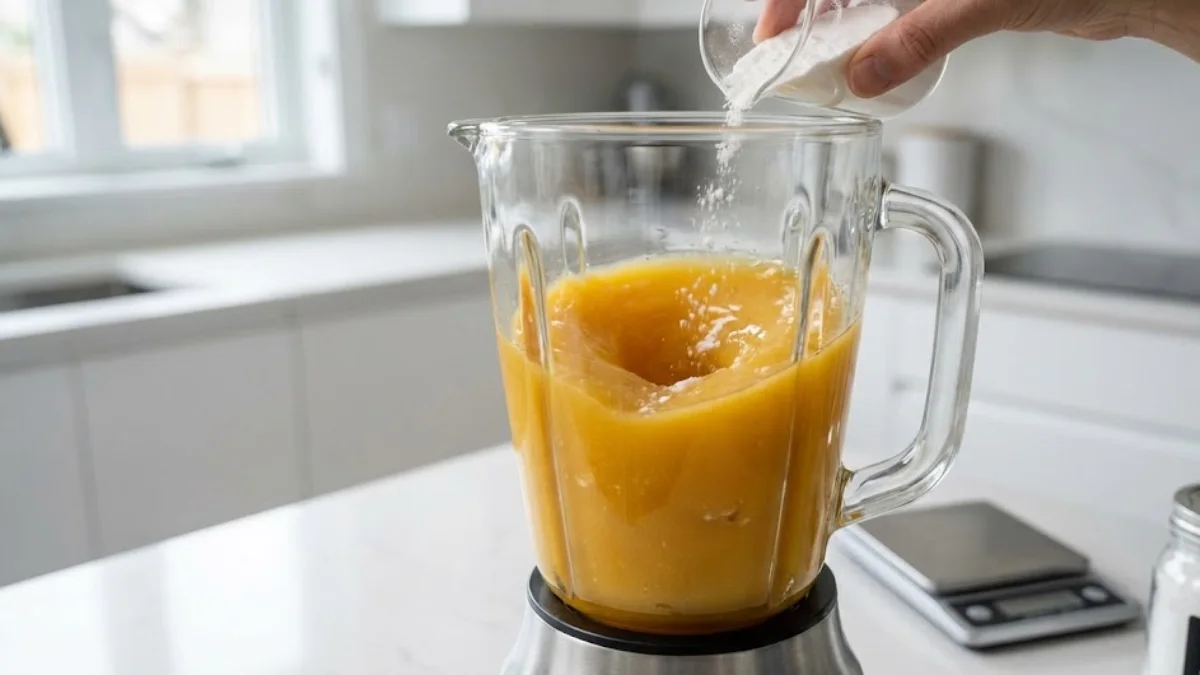
- Add Sodium Alginate: Add 2 grams of sodium alginate to the juice. Blend for 1–2 minutes until fully dissolved. Avoid adding air bubbles.
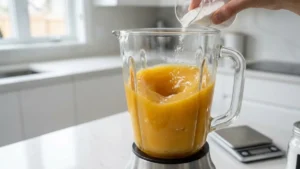
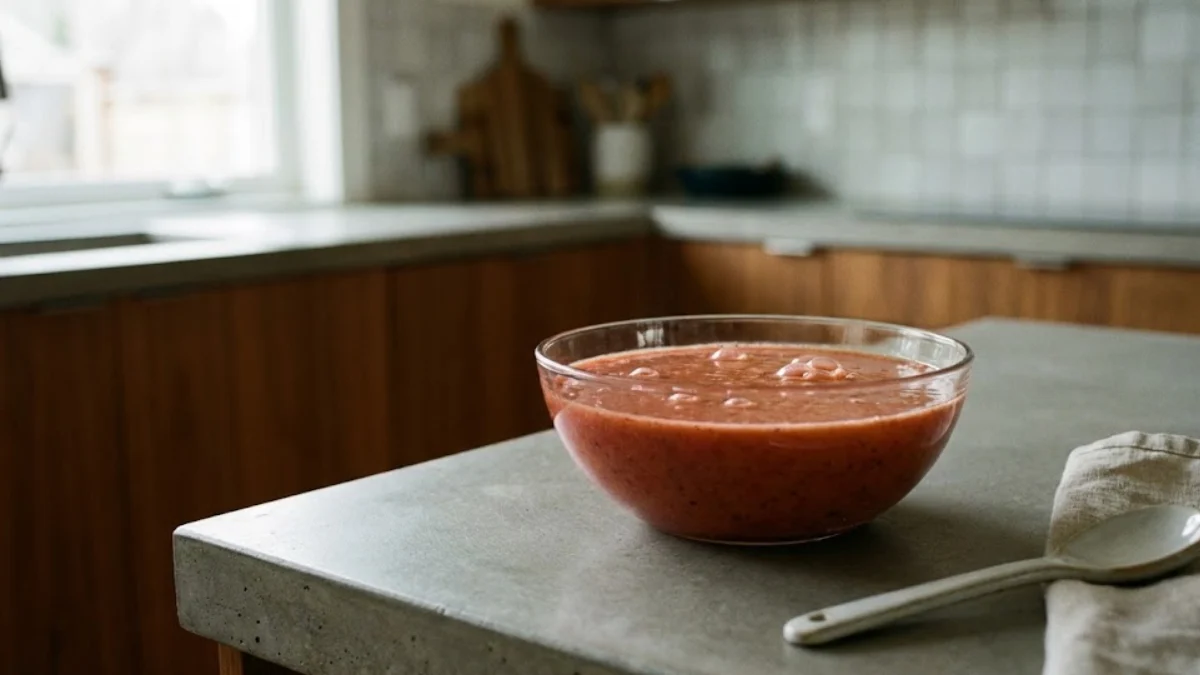
- Rest the Mixture: Let the blended mixture rest for 10 minutes. This removes trapped air bubbles and ensures clean, round caviar pearls.
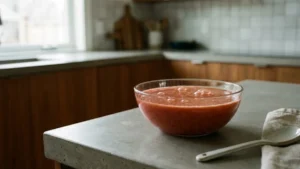
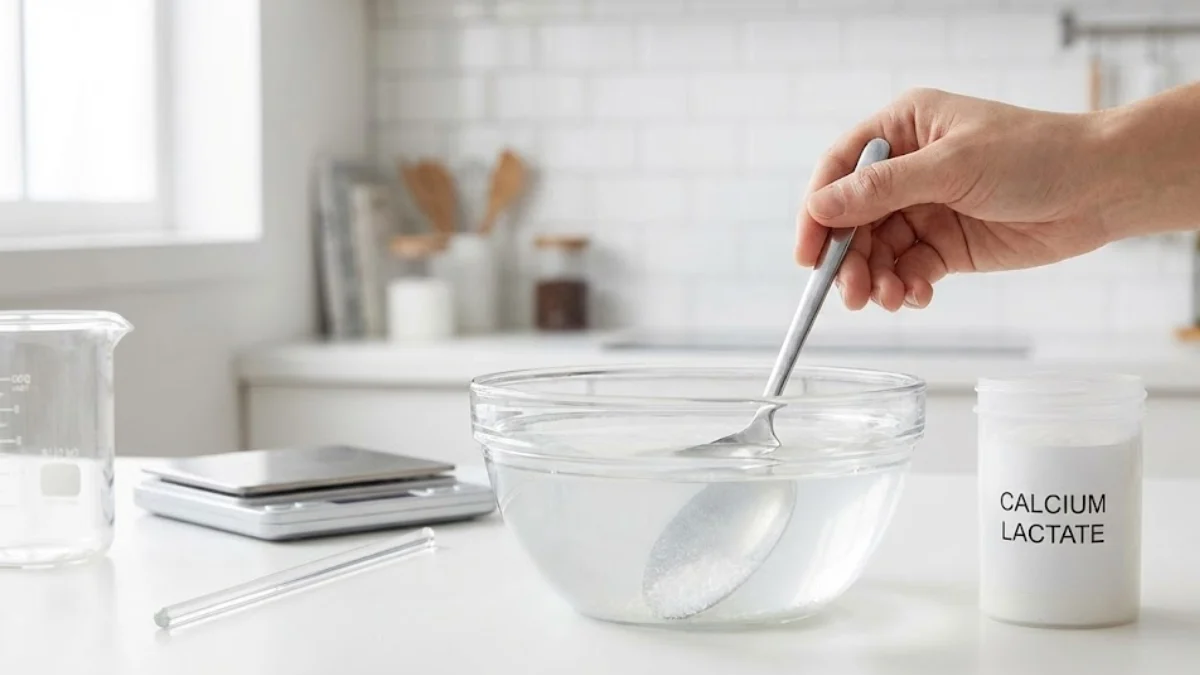
- Prepare Calcium Bath: In a separate bowl, dissolve calcium lactate in 500 ml of water. Stir well until fully mixed.
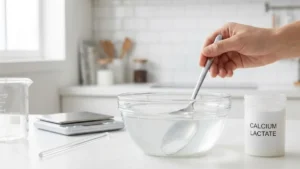
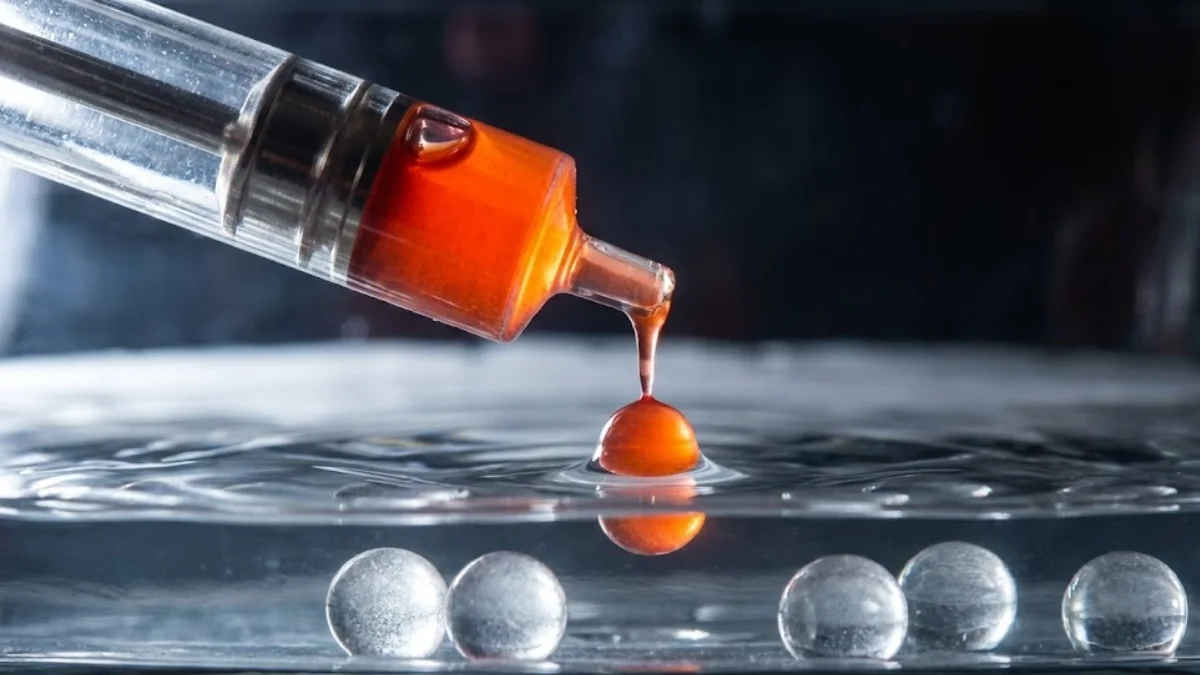
- Create the Caviar: Using a syringe or dropper, gently drop the juice mixture into the calcium bath. Small spheres will instantly form.
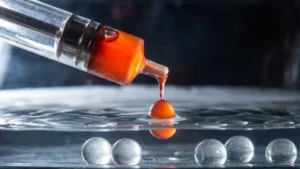
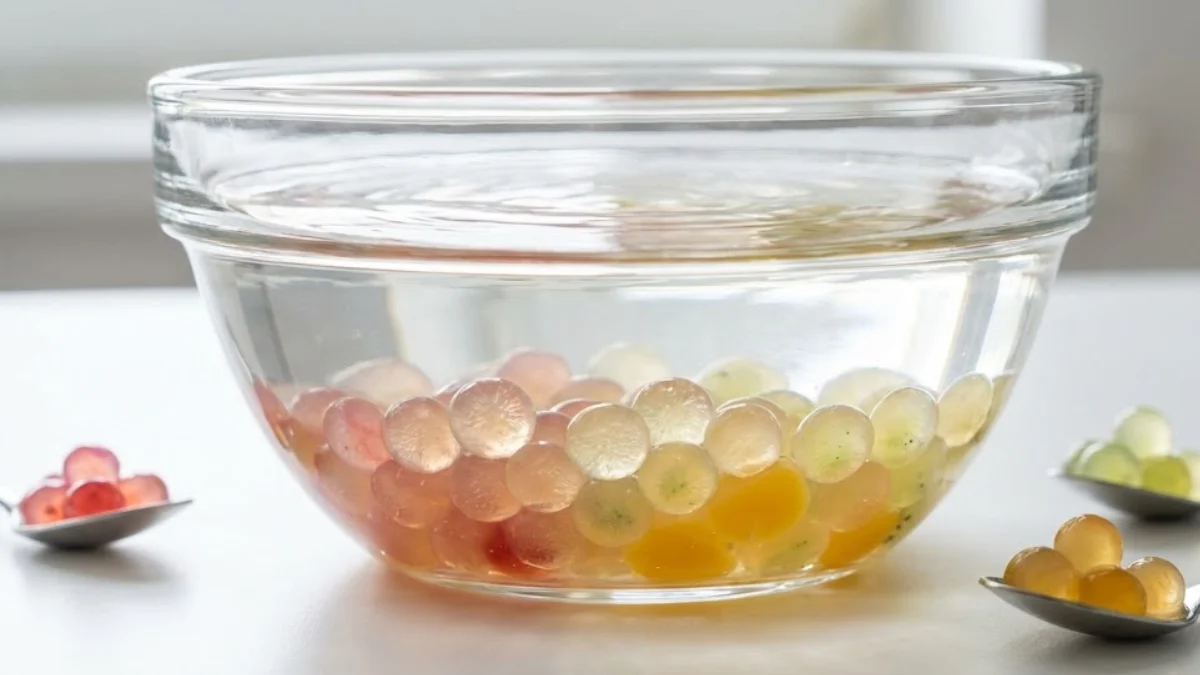
- Set the Spheres: Allow the spheres to sit in the bath for 30–60 seconds. This controls how thick the outer membrane becomes.
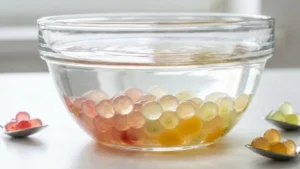
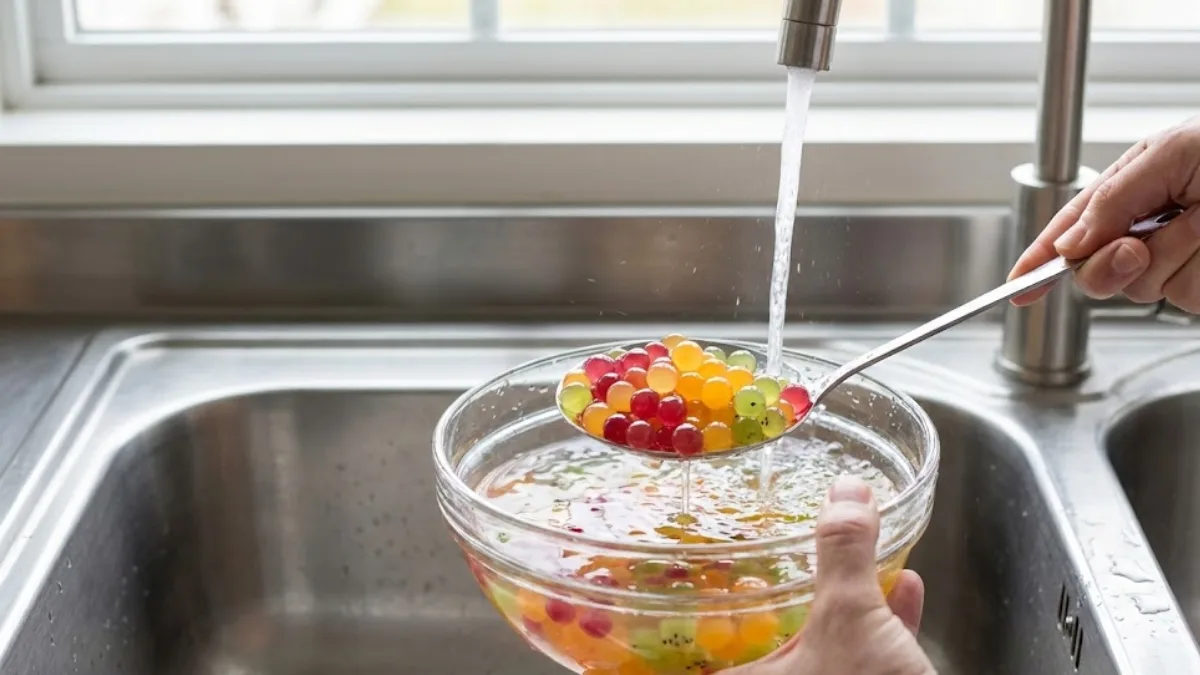
- Rinse the Caviar: Remove the spheres using a slotted spoon and rinse them in clean water to stop the reaction and remove excess calcium.
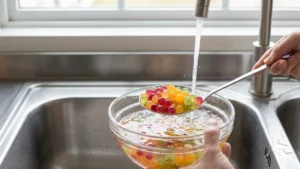
- Serve or Store: Use immediately for best texture or store refrigerated in neutral liquid for up to 24 hours.

Video
Notes
Molecular Gastronomy Recipe
- For best results, always measure molecular ingredients accurately using a digital kitchen scale. Even small variations can affect texture and consistency.
- Calcium lactate is recommended over calcium chloride, as it provides a neutral taste and is more beginner-friendly.
- Use clear, pulp-free liquids for smooth and visually appealing spheres. Strain juices before use if needed.
- Allow the sodium alginate mixture to rest before spherification to eliminate air bubbles and ensure perfectly round caviar.
- The longer the spheres remain in the calcium bath, the thicker the outer membrane becomes. Adjust timing based on desired texture.
- Rinse finished spheres in clean water to stop the reaction and remove any residual calcium flavor.
- Molecular gastronomy dishes are best served fresh, as textures may change over time.
- Store prepared caviar in a neutral liquid (such as water or fruit juice) and refrigerate for up to 24 hours.
- This recipe works well with fruit juices, flavored water, or cocktails, making it versatile for both sweet and savory dishes.
